Tip line / free consult: 972-928-0085
BIG DATA DAMAGEThe Texas Data Center Watchdog

Stolen Water

They're Draining Texas Dry

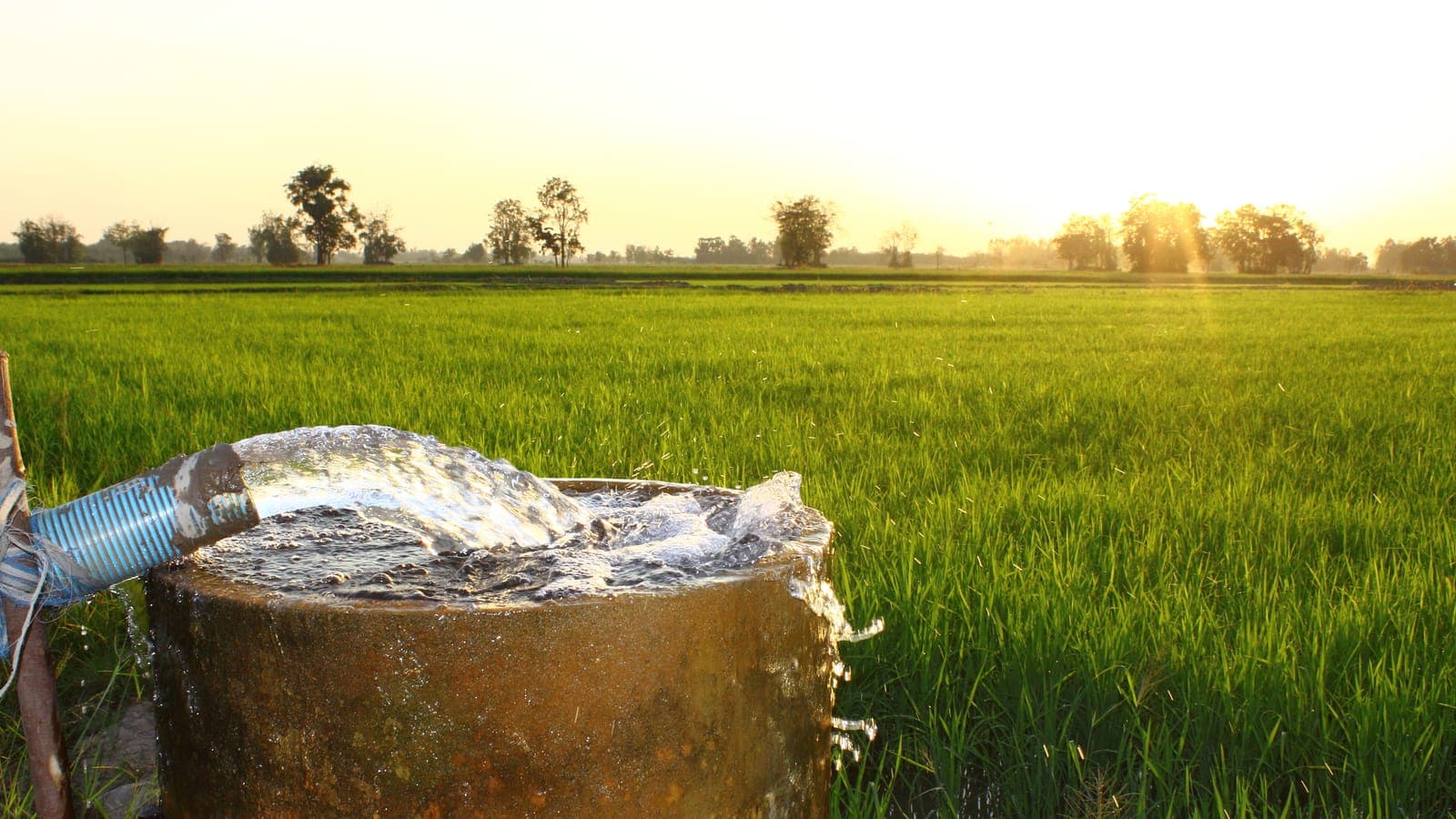
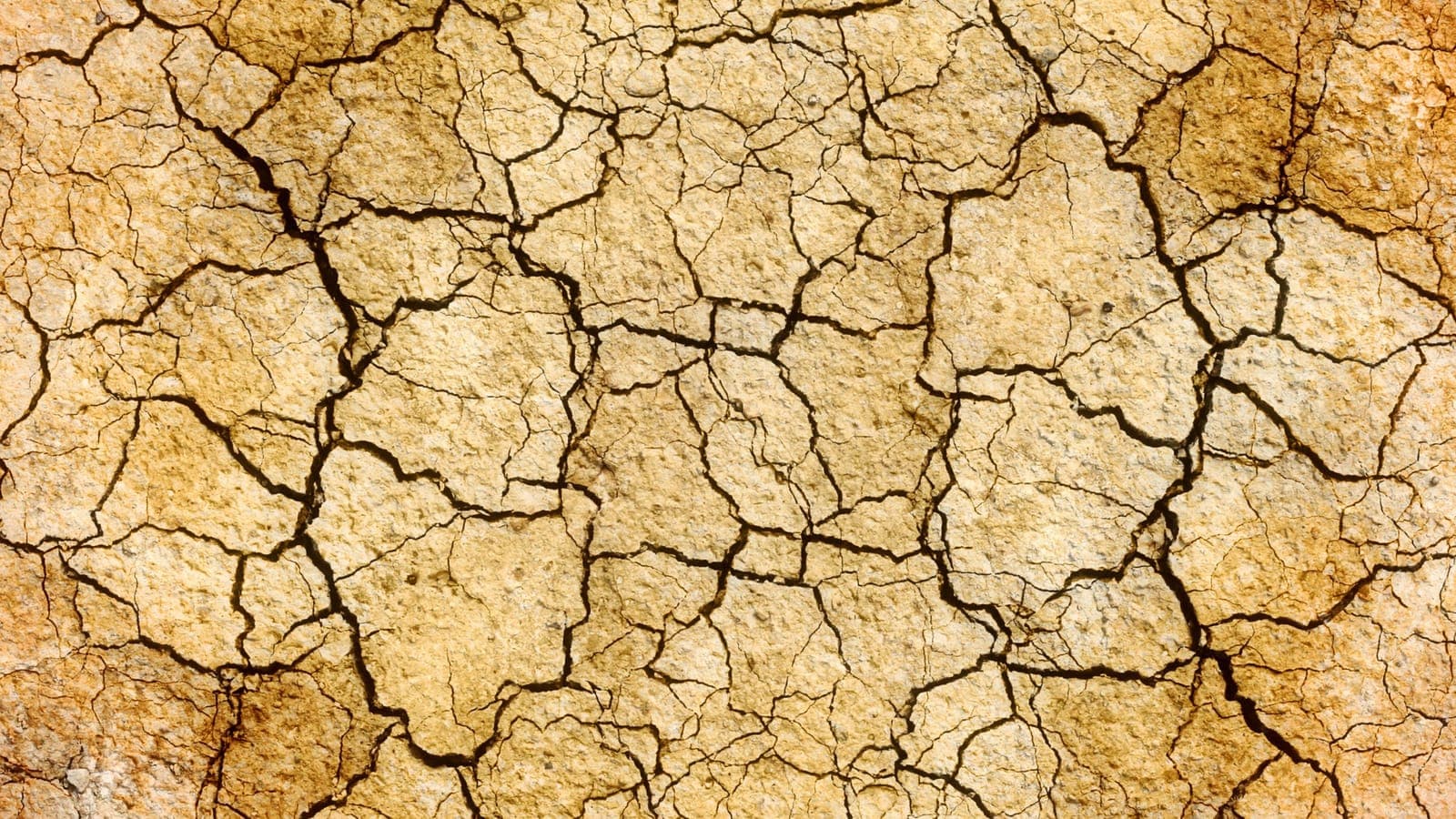
A single large data center can consume millions of gallons of water a day to cool its servers. In much of Texas, groundwater is governed by the 'Rule of Capture' — the biggest pump wins. When a corporate facility drills deep, high-volume wells next door, neighboring landowners can watch their own wells sputter and their land begin to sink.

What's really going on

Aquifer depletion

Evaporative cooling towers can consume millions of gallons daily, drawing down the same aquifers that supply local wells, farms, and ranches.

The Rule of Capture — and its limits

Texas groundwater law generally protects the largest pumper. But the rule is not absolute: malicious or wasteful pumping, and pumping that damages a neighbor's land, may still create liability.

Subsidence

When an aquifer is over-pumped, the land above it can sink, crack foundations, and damage irrigation infrastructure — a direct, actionable harm to neighboring property owners.

Permit protests

Most Texas groundwater is overseen by regional Groundwater Conservation Districts. Landowners may be able to formally protest a facility's water permit before it is granted.

Coverage: stolen water

Stolen Water

Texas Moves to Rein In the Data Center Boom — What New Rules Mean for Power, Water, and Landowners

ERCOT just tightened the rules as 248 planned data centers strain the grid and water supply. Here's what the new regulations mean for Texas landowners and ratepayers.

Read more
Stolen Water

How Much Water Does a Data Center Actually Use? A Texas Reality Check

Large data centers can pull millions of gallons of water a day for cooling — and much of it never comes back. Here is what that means for Texas wells and aquifers.

Read more
Stolen Water

When the Ground Sinks: Data Center Pumping and Subsidence in Texas

Heavy groundwater pumping by a data center can make neighboring land sink and crack foundations. Here is how subsidence works, why it may be actionable, and what to document.

Read more
Stolen Water

The Rule of Capture, Explained: Why Texas Groundwater Law Lets the Biggest Pump Win

Texas groundwater is governed by a 150-year-old doctrine called the Rule of Capture. Here's what it means for landowners when a data center drills next door — and where the rule stops.

Read more
Stolen Water

Abilene Data Center Water Use: What West Texas Landowners Should Know

New water-hungry data centers are arriving in a region that can't spare a drop. Here's how Abilene and West Texas water supplies, wells, and ranches could be affected.

Read more
Stolen Water

The Trinity Aquifer and the Data Center Boom: Water Loss in Ellis County

As data centers cluster south of Dallas, landowners drawing from the Trinity Aquifer are watching water levels with growing concern. Here's what's at stake.

Read more
Stolen Water

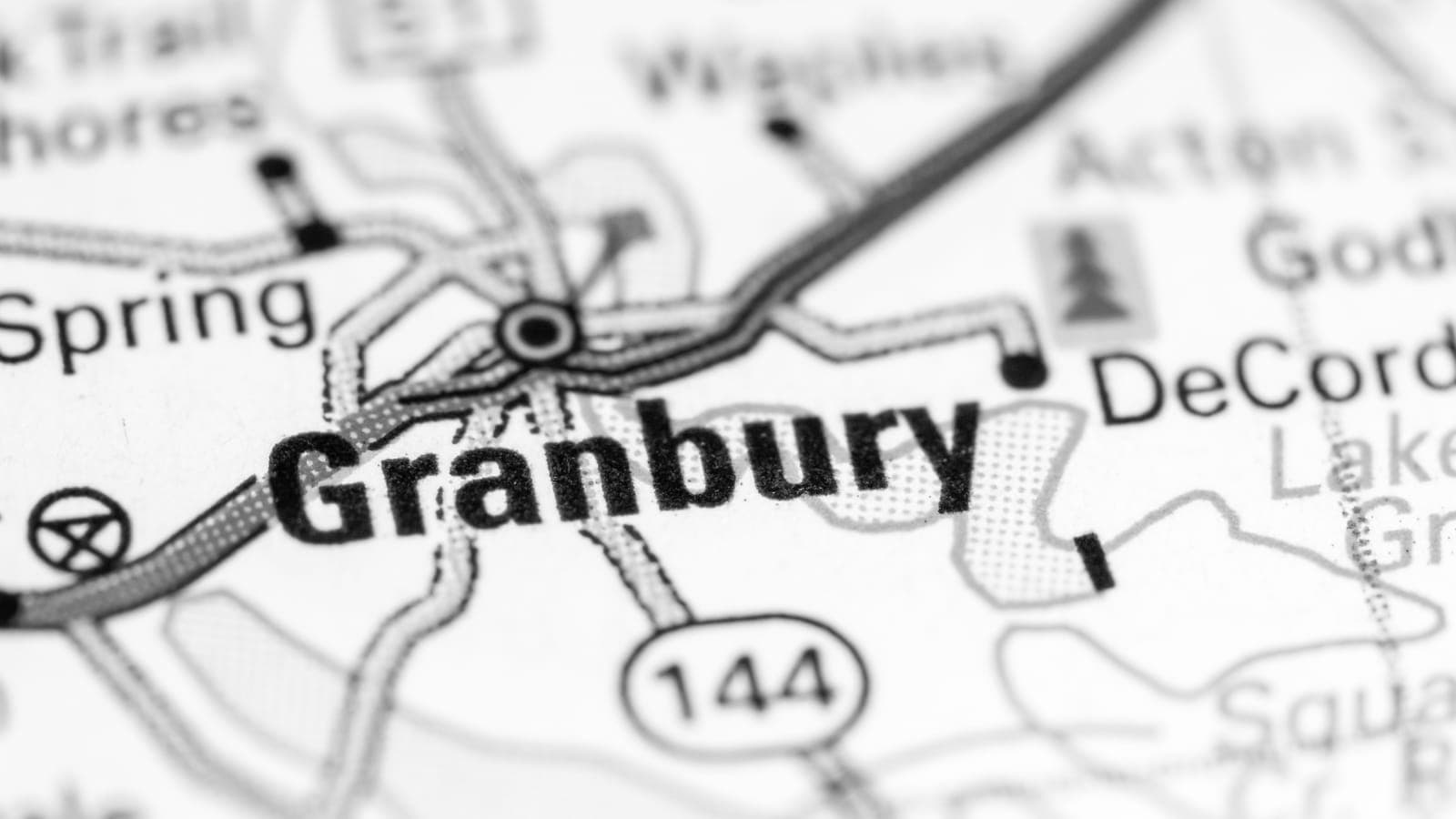
Granbury Data Center Water: What Pumping Means for Hood County Wells

Most of Hood County draws its water from the Trinity Aquifer. Here's how high-volume pumping by data centers and crypto mines near Granbury could affect nearby wells.

Read more
Stolen Water

Midlothian Data Center Water Use: The Strain on Ellis County's Supply

Midlothian's heavy-industry corridor is drawing water-thirsty data centers. Here's what that could mean for the Trinity Aquifer and local water supply.

Read more
Stolen Water

What to Do If Your Well Runs Dry Near a Texas Data Center

A practical, step-by-step guide for Texas landowners who suspect a nearby industrial facility is affecting their water well.

Read more
Stolen Water

How to Protest a Data Center's Groundwater Permit in Texas

If a data center wants to pump groundwater near your land, your local Groundwater Conservation District may be the place to push back. Here is how the process generally works and how to prepare.

Read more
Stolen Water

The Trinity Aquifer Under Threat: A Texas Landowner's Guide to the Data Center Boom

From Hood to Ellis County, the Trinity Aquifer feeds wells across North-Central Texas. As data centers cluster across the region, here's why this aquifer is so vulnerable — and what landowners should understand.

Read more
Stolen Water

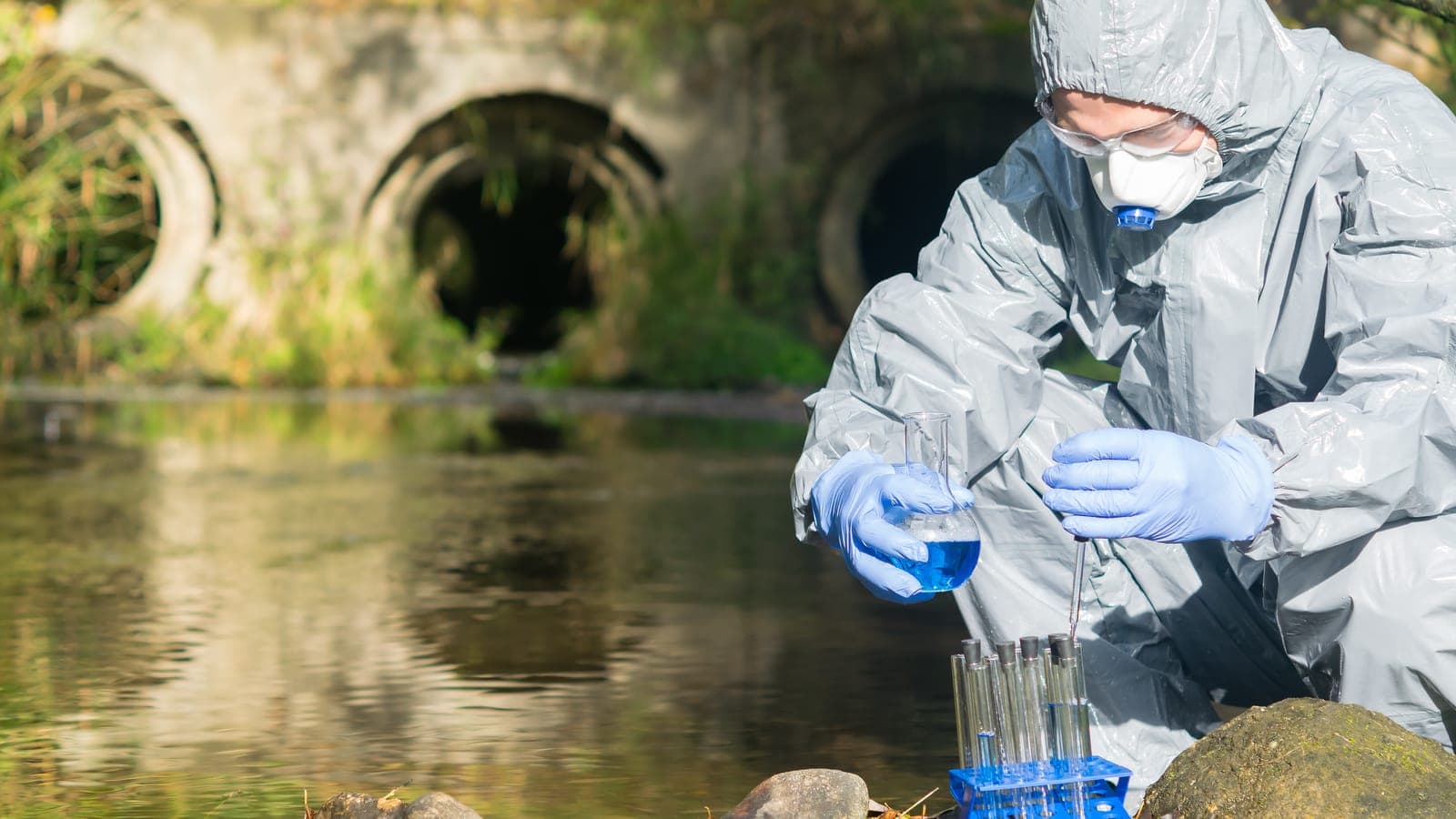
Is Your Well Water Safe? Contamination Testing for Texas Landowners

If a data center or industrial site moved in near your land, here's how nearby activity can affect water quality, the warning signs to watch, and how to get your well tested the right way.

Read more

Is this happening near your property?

You may have legal options. Get a free, confidential review.

Call NowFree Review