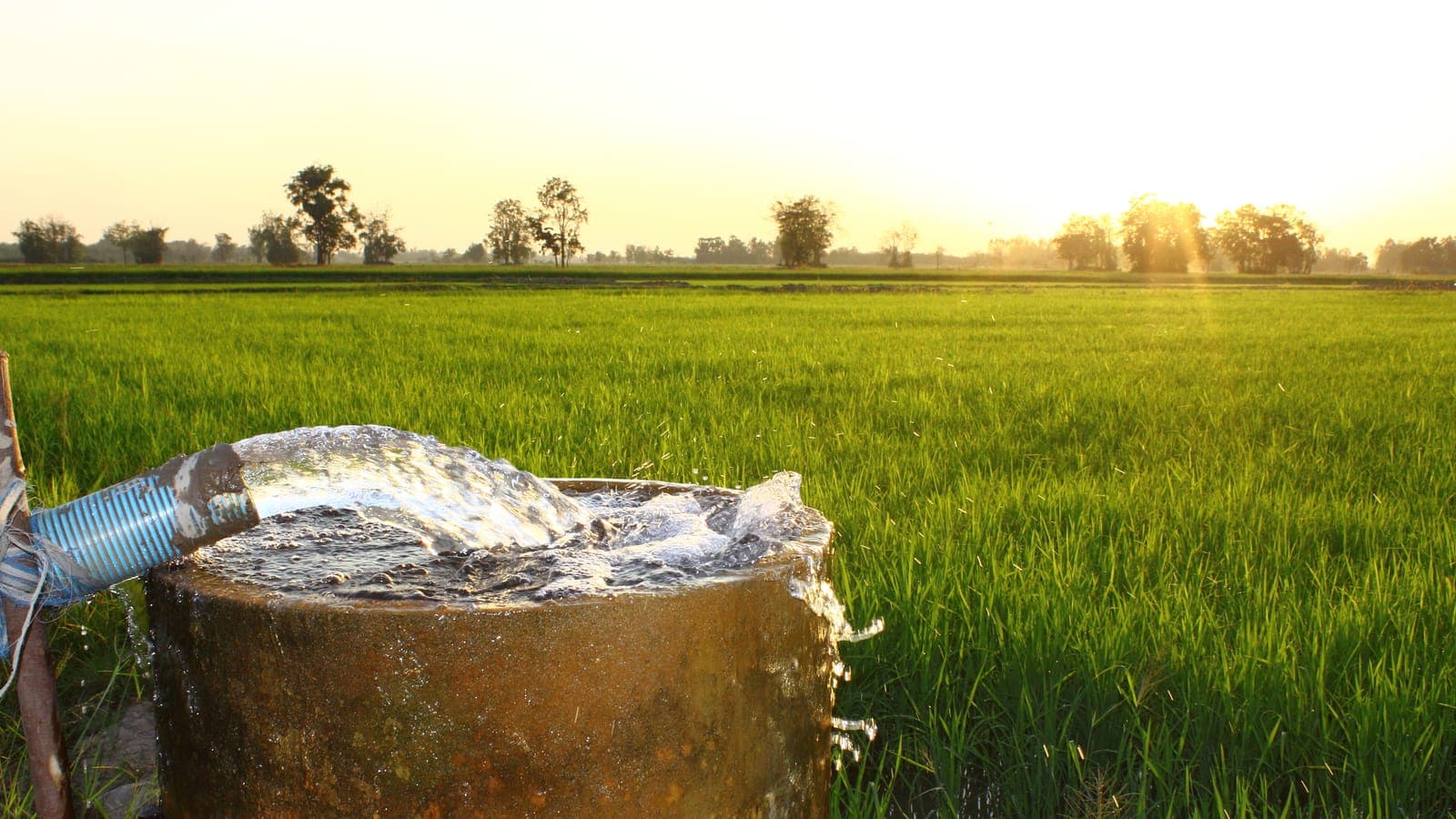
The Trinity Aquifer supplies wells across North Central Texas, including the fast-growing communities of Ellis County. As water-hungry data centers move into the corridor around Red Oak, landowners who depend on that same aquifer are asking a hard question: how much is left for the rest of us?
How data centers use so much water
Many large facilities use evaporative cooling, which consumes water continuously to carry heat away from racks of servers. A single large site can use millions of gallons per day. Unlike water that's returned to the system, evaporated water is gone — pulled out of the local supply.
What drawdown looks like on the ground
When high-capacity wells pump aggressively from a shared aquifer, nearby landowners may notice:
- Falling well levels and the need to drill deeper.
- Reduced flow during peak demand.
- Over time, in some areas, land subsidence as the water table drops.
These effects don't respect property lines. The aquifer is shared, but the consequences land on individual families, farms, and ranches.
Where landowners have a voice
In Texas, groundwater is often regulated by local Groundwater Conservation Districts, which oversee permits and production. Landowners may be able to participate in or protest a facility's water permit — frequently the most direct point of leverage, and one that is most effective before a permit is finalized.
If a data center's water use is affecting your property in Ellis County, you may have legal options. Contact us for a free, confidential review of your situation.