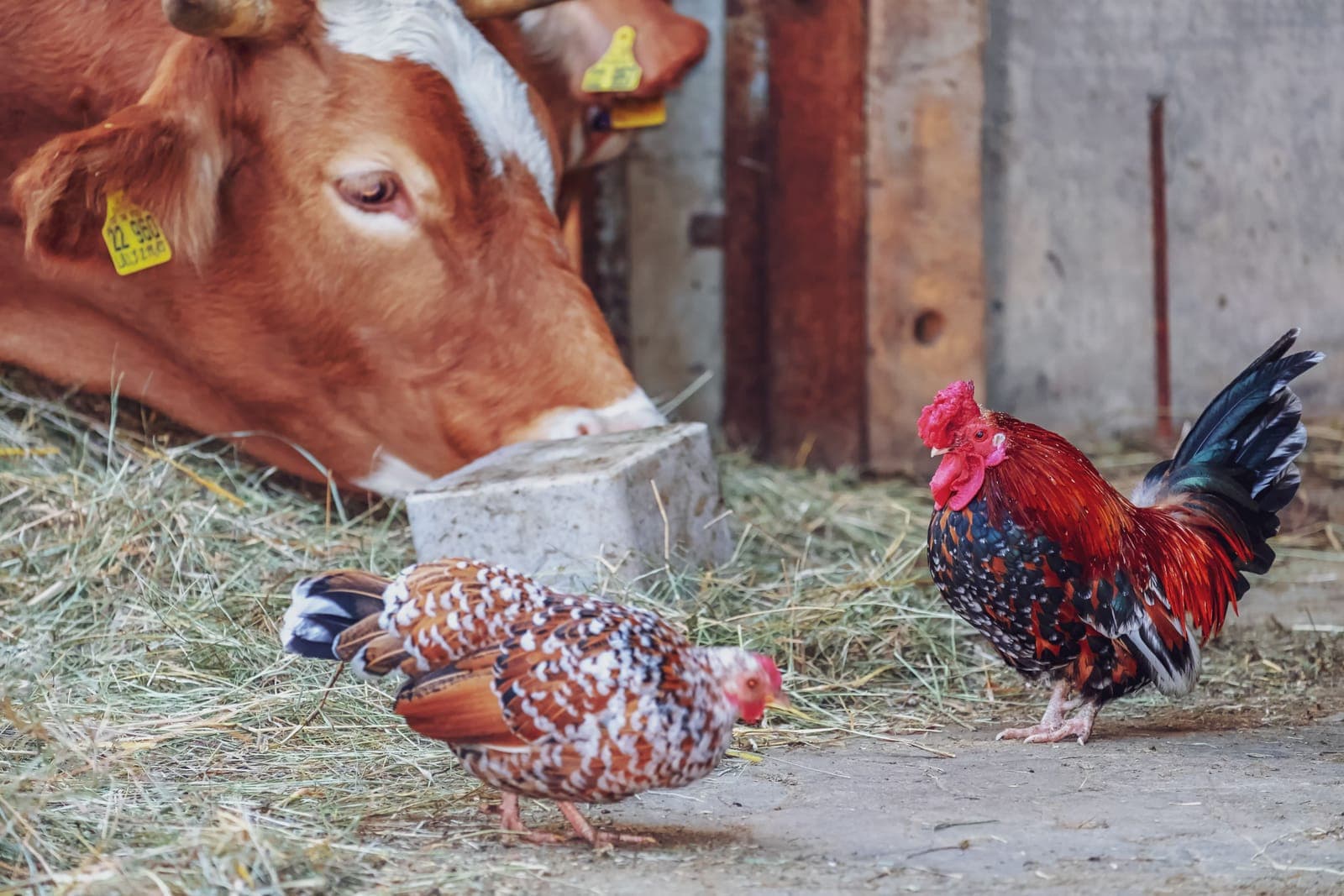
Hopkins County, Texas, is renowned for its rich agricultural heritage, particularly its thriving dairy industry. Green pastures and active farms are a hallmark of the region, relying heavily on consistent and clean water supplies to sustain livestock, grow feed, and operate daily. However, a new industry is eyeing Texas rural communities like Sulphur Springs: large-scale data centers.
These digital infrastructure hubs, essential for our connected world, require significant resources to operate, with water being a primary need for cooling their vast arrays of computer servers. As proposals for data centers emerge in areas historically dominated by agriculture, a critical question arises: can Hopkins County's water resources sustainably support both its established dairy farms and the substantial demands of a burgeoning data center industry? This article explores the potential competition for water and what it could mean for local landowners and the agricultural heart of Sulphur Springs.
The Thirst of Technology: How Data Centers Use Water
Data centers are essentially large warehouses filled with computer servers that generate immense amounts of heat. To prevent these servers from overheating and failing, continuous cooling is essential. While various cooling methods exist, many large modern data centers rely on water-based systems due to their efficiency, particularly in warmer climates like Texas.
The most common water-intensive method is evaporative cooling, often referred to as "open-loop" systems. In this process, water is evaporated to cool the air or surfaces, effectively drawing heat away from the equipment. While energy-efficient, the downside is that this water is consumed, evaporating into the atmosphere and requiring constant replenishment, often from municipal supplies. Some data centers also use water to control humidity, especially in dry regions, as extremely dry air can increase the risk of static electricity, which is harmful to sensitive computer components.
Less water-intensive "closed-loop" systems circulate water through sealed pipes, continuously reusing it with minimal additional water needed. However, these systems often come with higher costs and greater complexity. Globally, a significant majority of data centers use water-based cooling, with 75% to 90% primarily using such methods. A single medium-sized data center can consume hundreds of thousands of gallons of water per day, comparable to the daily usage of numerous households. For more detailed information on data center water use, please visit our page on /damage/water.
Hopkins County's Water Landscape
Hopkins County's water resources are crucial for its residents, businesses, and, notably, its agricultural sector. The county primarily relies on a combination of surface water and groundwater. Sulphur Springs itself draws its municipal water from sources like Jim Chapman Lake, with Lake Sulphur Springs serving as a backup.
Groundwater is also a vital resource throughout Hopkins County, with local aquifers supporting numerous private wells for rural homes and farms. While specific major aquifers are less prominent in Hopkins County compared to some other parts of Texas, the region does interact with various minor aquifers and localized groundwater sources that are essential for daily life and agricultural operations. The sustained health of these interconnected water systems is critical for the long-term viability of the community.
Dairy Farms and Water: A Vital Connection
Dairy farming is a water-intensive enterprise, with water being the most crucial nutrient for dairy cattle. A lactating dairy cow can consume between 30 to 50 gallons of water daily, with intake potentially doubling during periods of heat stress. This drinking water constitutes the majority of a cow's water intake, contributing significantly to milk production, which is about 87% water. Beyond drinking, water is essential for numerous other farm operations.
Typical uses include:
- Cleaning and Sanitation: Water is vital for cleaning milking parlors, holding pens, and milking equipment, which can account for up to 17 gallons per cow per day.
- Cooling Systems: In hot Texas summers, water-based cooling systems like misters are often used to reduce heat stress on cows.
- Feed Production: While often external, the water footprint of growing feed crops (like hay or silage) for dairy cattle is substantial, linking agricultural water use directly to the dairy industry.
Overall, the total water use on a dairy farm, combining animal consumption, cleaning, and other operations, can be significant, ranging from approximately 20 to 60 gallons per cow per day depending on factors like temperature, production level, and farm practices. The availability of a reliable, high-quality water supply is therefore foundational to the economic stability of Hopkins County's dairy farms.
Potential Impacts on Rural Wells and Agriculture
The introduction of large industrial users, such as data centers, into areas relying on shared water resources, particularly groundwater, can create challenges. When groundwater is pumped faster than it can be naturally replenished, it can lead to long-term water-level declines, a phenomenon known as groundwater depletion.
For rural landowners and farmers in Hopkins County who depend on private wells, increased pumping by a large-scale industrial facility could potentially:
- Lower Water Tables: Extensive pumping can lower the water table, making it harder and more expensive for existing wells to access groundwater, or even causing them to run dry.
- Increase Pumping Costs: As water levels drop, wells must pump water from deeper within the aquifer, increasing energy consumption and operational costs for landowners.
- Affect Water Quality: Over-pumping can sometimes draw in sediment, affecting water clarity, or in certain geological conditions, potentially draw in undesirable substances from surrounding areas, including pollutants from the surface or deeper formations.
- Reduce Surface Water Supplies: Groundwater and surface water are often interconnected. Overuse of groundwater can diminish the supply in nearby lakes, streams, and wetlands that rely on groundwater discharge.
These potential impacts highlight the importance of careful planning and management of water resources when new, large-scale industrial users enter a community.
Understanding Your Rights: General Information, Not Legal Advice
In Texas, groundwater ownership and use are largely governed by the "Rule of Capture." This legal principle generally allows landowners to pump and use the groundwater beneath their property without liability to neighboring landowners, even if that pumping affects their neighbors' wells. It has sometimes been referred to as the "law of the biggest pump" due to this broad allowance.
However, the Rule of Capture is not entirely without limits. It generally does not protect against pumping for malicious intent, wasteful uses, or actions that negligently cause land subsidence. Moreover, local Groundwater Conservation Districts (GCDs) in Texas have the authority to regulate groundwater production to ensure sustainable, long-term use and prevent depletion within their boundaries. These districts can issue permits, monitor groundwater levels, and enforce restrictions. Hopkins County falls within the jurisdiction of the North East Texas Regional Water Planning Area, which addresses water supply planning for the region.
It is important to remember that the information provided here is for general understanding and is not legal advice specific to your property or situation. For a more detailed explanation of Texas groundwater law, including the Rule of Capture, please see our article: /articles/rule-of-capture-explained. If you have concerns about water rights or potential impacts on your well, consulting with a qualified attorney specializing in Texas water law is advisable.
Frequently Asked Questions
How do data centers cool their equipment?
Data centers primarily use water for cooling to prevent their servers from overheating. Many employ evaporative cooling systems, where water is evaporated to absorb and dissipate heat into the atmosphere. This method is energy-efficient but continuously consumes water. Some also use closed-loop systems, which recirculate water but are typically more expensive, or use water for humidity control.
What are the primary water sources for agriculture in Hopkins County?
Agriculture in Hopkins County relies on a combination of surface water and groundwater. Local lakes and rivers can be sources for irrigation or livestock, while many rural farms and homes depend on private wells tapping into local aquifers and groundwater formations for their daily needs.
Can a data center's water use affect my private well?
Yes, high-volume groundwater pumping by a data center can potentially affect nearby private wells. If a data center draws significant amounts of water from the same aquifer that supplies your well, it could lead to a lowering of the local water table, making your well less productive or even causing it to run dry. It could also increase your pumping costs as water must be drawn from deeper levels.
What can I do if I am concerned about a data center's water usage?
If you are concerned, consider researching local Groundwater Conservation Districts (GCDs) in your area to understand their regulations and permit processes. Attend local public meetings where such projects are discussed, and voice your concerns to county and regional planning officials. You can also form or join local community groups focused on protecting water resources. Remember, this is general information, not legal advice.
Is groundwater regulated in Texas?
Yes, while the Rule of Capture provides landowners with broad rights to pump groundwater, the Texas Legislature has empowered local Groundwater Conservation Districts (GCDs) to manage and regulate groundwater resources. These districts can set rules on well spacing, pumping rates, and require permits to ensure the sustainable use of aquifers.
Protecting Our Shared Resources
The future of Sulphur Springs and Hopkins County depends on a thoughtful balance between economic development and the preservation of essential natural resources. Water is the lifeblood of the region's dairy country and critical for all residents. As new industries like data centers consider establishing a presence, it is imperative for landowners, farmers, and community leaders to understand the potential impacts on shared water supplies and to advocate for sustainable practices and responsible resource management. Protecting our water today ensures a healthy and prosperous future for Hopkins County.