If you own land in Texas and a data center starts pumping groundwater next to you, the first phrase you'll hear is the Rule of Capture. Understanding it is the starting point for understanding your options.
What the Rule of Capture says
Under longstanding Texas law, a landowner generally has the right to pump as much groundwater from beneath their own property as they want — even if doing so draws water out from under a neighbor's land. In plain terms: the biggest pump tends to win. A corporation that drills deep, high-capacity wells can lawfully capture enormous volumes of water.
This is why a data center's water use can feel so unfair to the family whose well suddenly runs low. The doctrine was built for a different era, and it still largely governs today.
Where the Rule of Capture stops
The rule is powerful, but it is not absolute. Texas courts and the Legislature have recognized important limits over the years, including situations involving:
- Willful waste of groundwater.
- Malicious pumping done for the purpose of harming a neighbor.
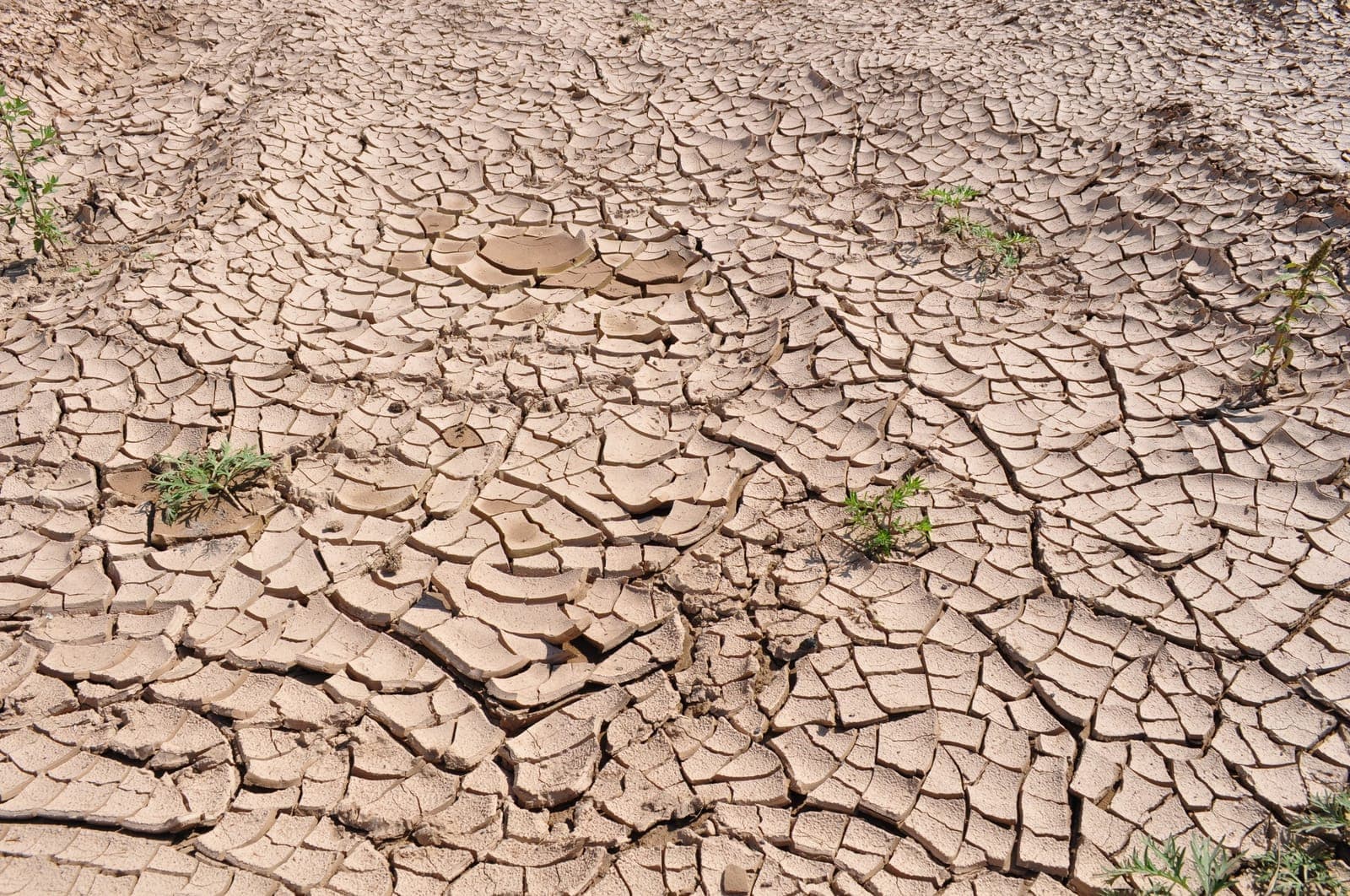
- Negligently caused subsidence — when over-pumping makes a neighbor's land sink or crack.
- Contamination of a shared groundwater source.
In addition, most groundwater in Texas is now regulated locally by Groundwater Conservation Districts (GCDs), which can place rules on permits, spacing, and production. That regulatory layer is often where a landowner's voice can matter most.
What this means for you
If a data center's pumping has affected your well, your land, or your water supply, the question is rarely "did they break the Rule of Capture" — it's "does one of the recognized limits or local regulations apply to my situation." Those are fact-specific questions, and documenting what is happening on your property is the first step.
If a data center is impacting your water in Texas, you may have legal options. Contact us for a free, confidential review of your situation.