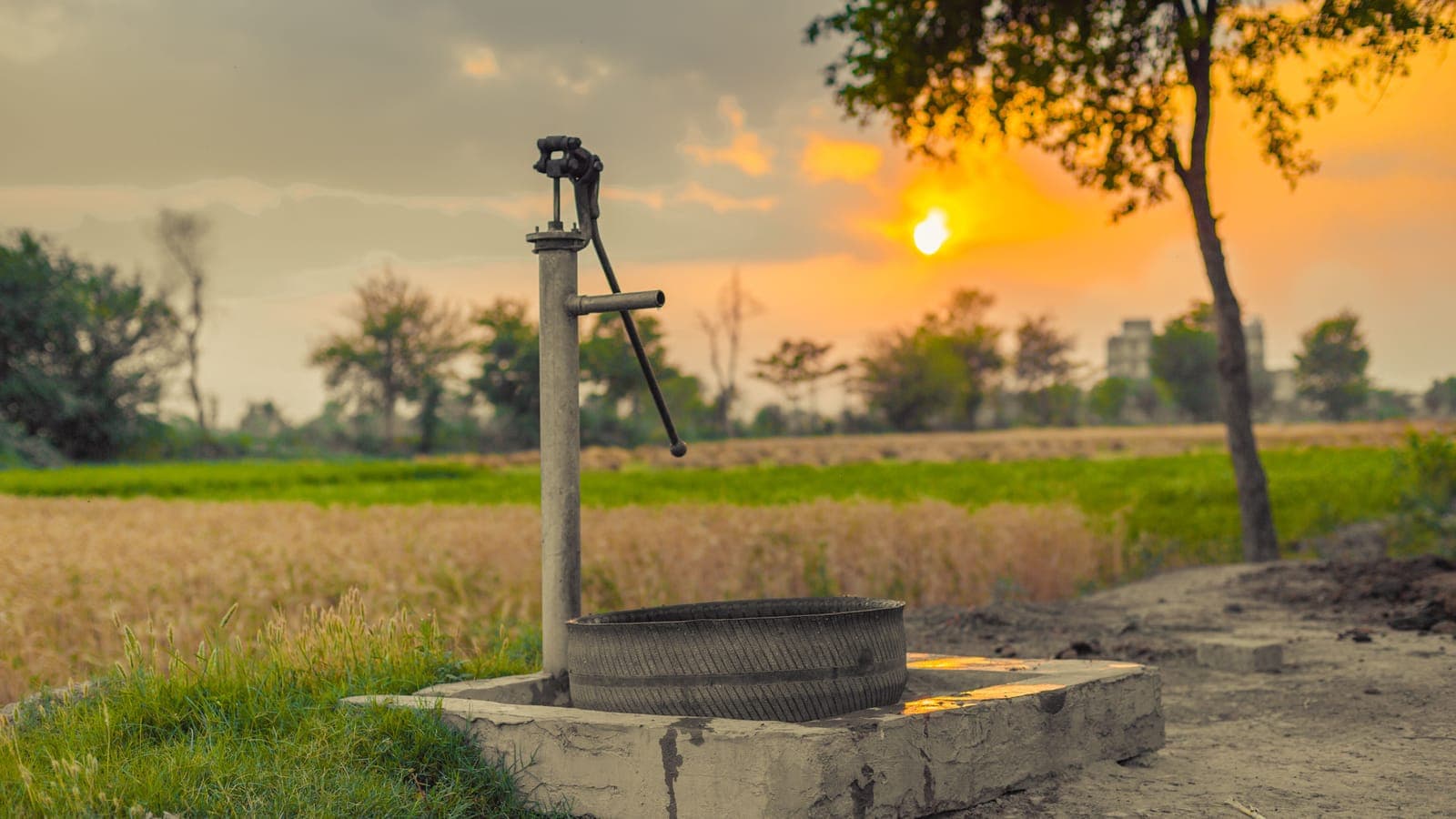
The Rio Grande Valley (RGV) is a vibrant region known for its agriculture, cross-border commerce, and growing population. Communities like Harlingen, located in Cameron County, are experiencing development pressures, including the potential arrival of large-scale industrial projects such as data centers. While these facilities promise jobs and economic growth, it's crucial for landowners and residents to understand their significant resource demands, especially concerning water in a region already grappling with scarcity.
Data centers are essentially vast collections of computer servers and related equipment that power the digital world. These servers generate substantial heat, requiring sophisticated cooling systems to operate efficiently. These cooling systems often consume immense quantities of water, placing new strains on local water supplies that may already be stretched thin by population growth, agricultural needs, and recurrent drought conditions.
Understanding the potential water demands of a data center is vital for safeguarding the long-term sustainability of the Rio Grande Valley's precious water resources. This article will explore the unique water challenges faced by Harlingen and Cameron County, and how data centers could intensify these concerns.
Water Scarcity in the Rio Grande Valley
The Rio Grande Valley's water supply relies heavily on the Rio Grande river and its associated reservoirs, such as Falcon and Amistad. This region, by its nature, experiences warm temperatures and historically low rainfall, making water a consistently valuable commodity. Frequent droughts, exacerbated by changing climate patterns, have led to critically low reservoir levels in recent years, impacting everyone from farmers to urban residents.
The Rio Grande system is a shared resource, managed by both the United States and Mexico, adding layers of complexity to water allocation and availability. Agreements and historical usage patterns dictate how much water is available to Texas communities in the Lower Rio Grande Valley. Even small increases in demand can have noticeable effects, especially during prolonged dry periods. Local municipalities, including Harlingen, draw water from these surface water sources, treat it, and distribute it to homes and businesses. Any new major water user will draw from this finite supply.
Beyond surface water, some communities in the RGV also utilize groundwater from various aquifers, though these sources can be limited and vary in quality and quantity. Over-pumping of groundwater can lead to concerns like land subsidence, where the ground literally sinks, and potential impacts on existing wells. /damage/water
How Data Centers Consume Water
Data centers require precise temperature and humidity control to prevent their electronic equipment from overheating. This cooling process is the primary reason for their substantial water footprint. There are generally two main types of cooling systems:
- Evaporative Cooling (Wet Cooling): This method is often the most water-intensive. It works by evaporating water to dissipate heat. Cooling towers release warm water into the air as vapor, which cools the remaining water that then circulates through the data center. This process is very effective at cooling but continuously consumes water as it evaporates. In hot climates like the RGV, evaporative cooling can be particularly efficient at keeping temperatures down, but it comes at a high water cost. A large data center using evaporative cooling can consume millions of gallons of water annually.
- Chiller-Based Systems (Closed-Loop Cooling): These systems use refrigerants to cool water, which then circulates through the data center. While they may still use some water for make-up in their closed-loop systems or for supplemental cooling towers, they generally consume less water than purely evaporative systems. However, they typically require more electricity.
- Air-Cooled Systems: Some data centers rely primarily on air cooling, using large fans to draw in ambient air to cool servers. These systems typically use far less water, but they can be less efficient in very hot climates and may require more energy.
The choice of cooling system can dramatically affect a data center's water usage. A single large data center can consume anywhere from hundreds of thousands to several million gallons of water per day, comparable to the daily water usage of a small to medium-sized town. This demand is constant, operating 24 hours a day, 365 days a year, regardless of drought conditions or local water restrictions.
Potential Impacts on Harlingen and Cameron County's Water Supply
Introducing a large data center into Harlingen or Cameron County could create several significant challenges for local water resources:
- Increased Demand on Municipal Systems: A data center would likely draw water from the municipal water treatment plant, which sources water from the Rio Grande. This increased demand directly competes with residential, commercial, and agricultural users for the same finite resource, especially during droughts.
- Strain on Existing Infrastructure: Harlingen's water infrastructure is designed to serve its current and projected population. A large data center could push the limits of existing treatment capacity, pump stations, and pipelines, potentially requiring costly upgrades that local taxpayers might bear.
- Exacerbated Drought Conditions: During periods of severe drought, which are common in the RGV, water restrictions become necessary. A data center's continuous, high-volume water demand could make it more challenging for the city to implement effective conservation measures, potentially impacting residents and businesses more severely.
- Impact on Agriculture: The Rio Grande Valley is a major agricultural region. Farmers depend on consistent water allocations from the Rio Grande. Increased diversions for industrial use could reduce water availability for irrigation, affecting crop yields and the livelihoods of local farmers.
- Economic Vulnerability: Over-reliance on a single, water-intensive industry can make a region economically vulnerable, particularly if water supplies dwindle due to climate change or regulatory changes. Long-term sustainable economic development requires a careful balance of resource usage.
It's important for residents to understand that these facilities often operate with significant tax incentives, meaning local communities may not see a direct financial benefit proportional to the strain on shared resources.
What Landowners Can Do
Landowners in Harlingen and Cameron County have a vital role to play in understanding and addressing these potential impacts. While this information is for general purposes and not legal advice about your specific property, here are some general steps:
- Stay Informed: Attend city council meetings, county commissioner meetings, and public hearings where data center proposals or related zoning and permitting discussions are held. Local newspapers and online community forums can also be good sources of information.
- Review Water Permit Applications: Data centers often require significant water permits. These applications are public records. Review them to understand the proposed source of water, the quantity requested, and the expected discharge.
- Contact Local Officials: Share your concerns with your city council representatives, county commissioners, and local water utility board members. Ask specific questions about water availability, infrastructure capacity, and long-term water planning.
- Engage with Community Groups: Connect with local environmental organizations, homeowner associations, or agricultural groups that may be monitoring development and water issues. A unified voice can be more impactful.
- Understand Your Water Rights: Familiarize yourself with Texas water law, particularly the concept of surface water rights, which are generally regulated by the state and administered by entities like the Texas Commission on Environmental Quality (TCEQ).
Frequently Asked Questions
Will a data center use well water or municipal water in Harlingen?
Typically, a large industrial user like a data center in an urbanized area like Harlingen would seek to connect to the municipal water supply, which draws its water from the Rio Grande. While it's possible for a facility to propose using groundwater, this would require separate permits and would still draw from the region's overall water resources.
How much water does a typical data center use?
The water usage of a data center can vary significantly based on its size, the type of cooling technology employed, and the local climate. However, a large, modern data center using evaporative cooling can consume anywhere from several hundred thousand to over a million gallons of water per day, comparable to the daily usage of a small to medium-sized city.
Could a data center cause my well to run dry?
If a data center were to draw extensively from a local aquifer that also supplies private wells, there is a risk of lowering the water table. This could lead to existing wells running dry or requiring deepening. However, if the data center primarily uses surface water from the municipal supply, the direct impact on private wells may be less immediate, though the overall regional water availability could still be affected.
What is the long-term outlook for water in the Rio Grande Valley?
The Rio Grande Valley faces a challenging long-term water outlook due to population growth, agricultural demands, and the increasing frequency and intensity of droughts. Projections suggest that water supplies could become increasingly strained in the coming decades, making careful management of all new industrial demands critical.
Where can I find more information about water resources in Cameron County?
You can contact the City of Harlingen Waterworks System, the Cameron County Drainage District, or the Texas Water Development Board (TWDB) for information regarding local water resources, planning documents, and drought updates. The Texas Commission on Environmental Quality (TCEQ) manages surface water rights and permits.
Protecting the Rio Grande Valley's Future
The Rio Grande Valley's unique blend of agriculture, diverse communities, and border dynamics makes its water resources particularly vital and sensitive. As development progresses, it is essential for Harlingen and Cameron County residents to be informed and engaged concerning proposals that could impact these critical resources. Thoughtful planning, transparent communication, and community involvement are key to ensuring that any new development contributes positively to the region without compromising the long-term availability of water for all.