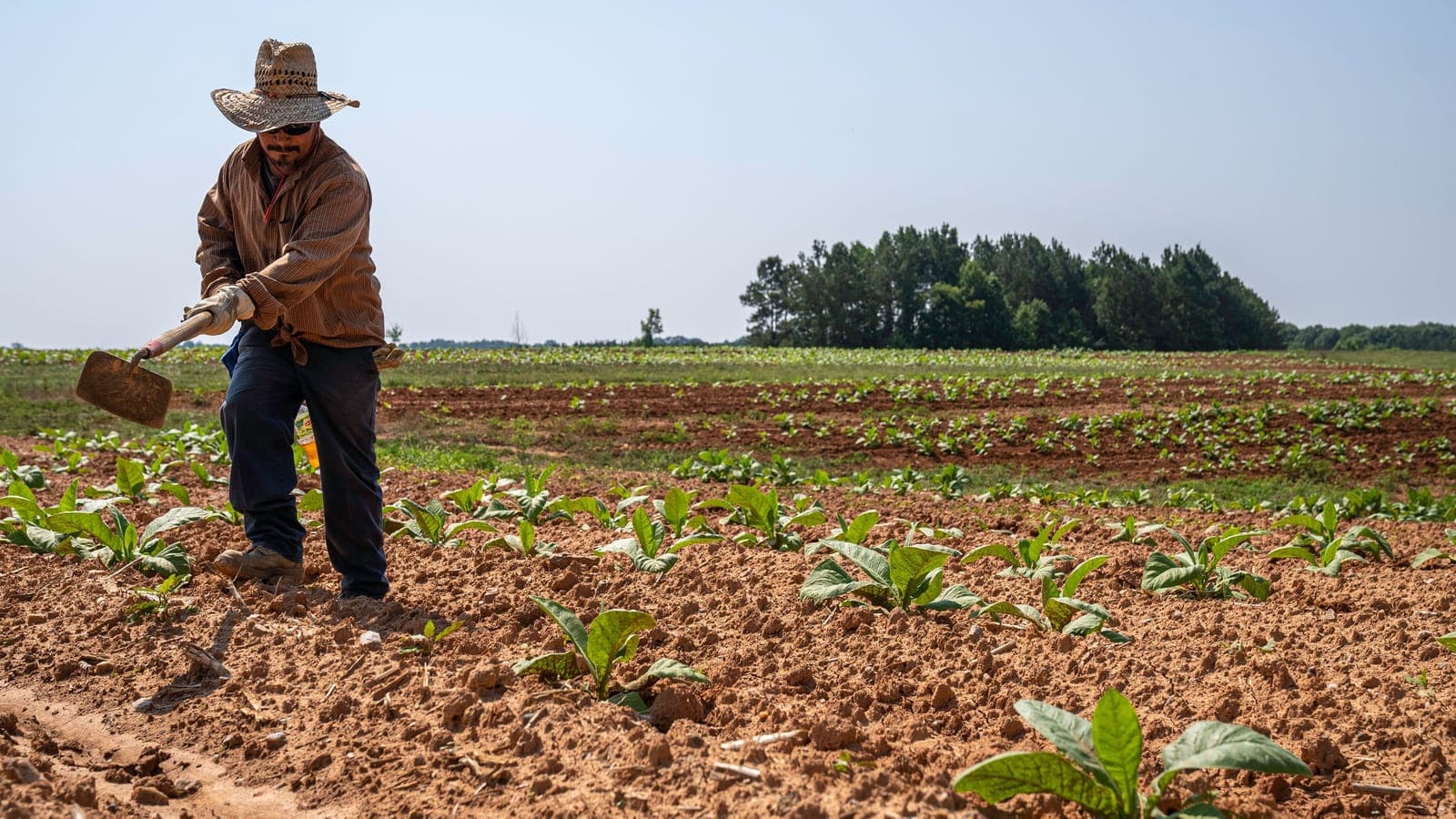
In West Texas, water has always been the difference between a working ranch and dry dirt. Around Abilene and Taylor County, families have learned to ration every gallon, watch the sky, and nurse wells through years of drought. Now a new kind of neighbor is moving in: large data centers that can drink millions of gallons a year. For a region where supply is already thin, that is a serious question worth asking out loud.
Why Data Centers Need So Much Water
Data centers are warehouses full of computer servers that run hot. To keep them from overheating, many facilities use water for cooling, sometimes evaporating large volumes that never return to the local supply.
A single large facility can use as much water in a day as thousands of homes. In a wet region, that load may be absorbed. In a drought-prone area like West Texas, it lands on a system that is already stretched thin.
The concern around Abilene data center water use is not abstract. It is about whether there will be enough left for the people and livestock who have depended on this land for generations.
West Texas Was Already Running Dry
Taylor County sits in a part of the state that sees long droughts and unpredictable rainfall. Much of the local groundwater comes from the Seymour Aquifer, a shallow source that recharges slowly and can drop fast during dry spells.
When a region is already in deficit, adding a heavy new water user changes the math:
- Surface reservoirs that serve Abilene can fall during extended drought.
- Shallow aquifers like the Seymour respond quickly to over-pumping.
- Agriculture and ranching, the backbone of the local economy, compete for the same water.
Layer an industrial-scale water user on top of that, and the margin for error shrinks for everyone. You can read more about the broader pattern on our water harm hub.
The Risk to Private Wells and Ranchers
If you own a well in Taylor County or the surrounding area, this matters directly to you. Heavy pumping nearby can lower the water table, and when the table drops, shallower wells are the first to suffer.
What that can look like on the ground:
- A well that used to run clear starts pulling sand or air.
- Water pressure drops, especially in summer.
- A well that always produced suddenly goes dry, forcing an expensive deeper drill.
Texas groundwater law adds a wrinkle here. Under the long-standing Rule of Capture, a landowner generally has the right to pump water from beneath their own property, even if it affects a neighbor's supply. That rule can make it harder to point to a single cause when a well fails, which is exactly why documentation matters so much. If your well is already struggling, our guide on what to do if your well runs dry walks through the first practical steps.
Where Groundwater Conservation Districts Come In
The Rule of Capture is not the whole story. Across Texas, Groundwater Conservation Districts (GCDs) are the local bodies created to manage and protect groundwater. Depending on the district, they may:
- Require permits for high-volume wells.
- Set spacing and production limits to protect neighbors.
- Track aquifer levels and pumping over time.
- Hold public meetings where landowners can speak.
For West Texas landowners, the local GCD is often the most direct place to raise concerns about a large new water user. Permit hearings and district records can be a window into who is pumping, how much, and where. Staying informed about your district's rules and meeting schedule is one of the most useful things you can do.
Questions Worth Asking Locally
If a data center is proposed or already operating near you, consider asking:
- Where will the facility get its water, and how much per year?
- Is the source groundwater, surface water, or city supply?
- Has the local GCD issued any permits tied to the project?
- What cooling method does the facility use, and does it recycle water?
Keeping a Record Now
You do not need to wait for a problem to start protecting yourself. Simple records can make a real difference later:
- Note your well's normal water level, flow, and quality.
- Keep photos and dates if you see changes.
- Save any well drilling or repair paperwork.
- Watch for local permit notices and public hearings.
A clear before-and-after picture is far more persuasive than memory alone. For background and local updates specific to your area, visit our Abilene location hub.
You Don't Have to Sort This Out Alone
If a data center or other large water user has moved in near your West Texas property and you are worried about your well, your ranch, or your water supply, we want to hear from you. Tell us what is happening near you in West Texas, and we will listen. A review is free and confidential, and there is no obligation. The more landowners who share what they are seeing, the clearer the picture becomes for everyone in the region.