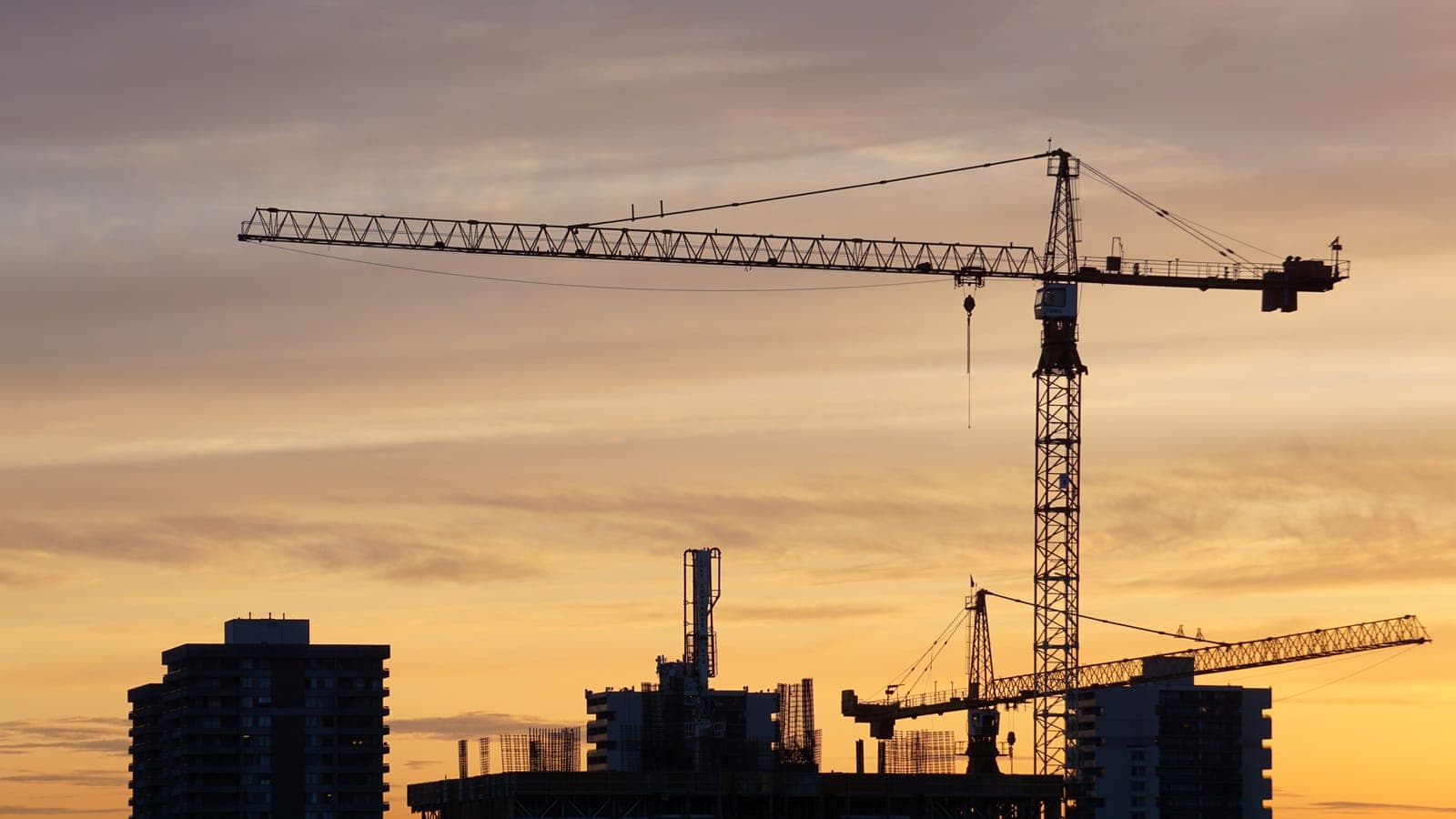
You turn on the kitchen tap and the water looks a little cloudy. Maybe it tastes different than it did last year. Maybe there is a new metallic smell. And maybe, a few hundred yards down the road, heavy construction has been grinding away for months on a sprawling new data center.
Are those things connected? You may not know yet. But if you draw your water from a private well in Texas, you are the person responsible for knowing whether that water is safe. No public utility tests it for you. That makes understanding well water testing near a data center in Texas worth your time, especially if industrial activity has recently arrived nearby.
How Nearby Industrial Activity Can Affect Water Quality
Large construction and industrial operations can change what ends up in the ground and, eventually, in groundwater. A few common concerns landowners raise:
- Construction and earthmoving. Heavy grading, drilling, and excavation can disturb soil layers, stir up sediment, and alter how surface water drains toward or away from a well.
- Stormwater runoff. Paved lots, roads, and large roofs change how rain moves across the land. Runoff can carry sediment, oils, and other materials toward low spots and waterways.
- Fuel and chemical storage. Many large facilities keep backup generators on site, which means stored diesel or other fuels. Leaks or spills from tanks, pipes, or fueling areas are a recognized way petroleum products can reach soil and groundwater.
- Cooling and treatment chemicals. Some facilities use chemically treated water in their systems. How that water is stored, handled, and discharged can matter to neighbors.
None of this means your well is contaminated. It means there are now possible sources nearby that did not exist before, which is exactly why testing and documentation become more useful.
For more on how these facilities draw on local water, see our piece on how much water data centers use and our overview of water-related harms.
Warning Signs to Watch For
Your senses are an early alert system, not a diagnosis. If you notice any of the following, it could be worth testing sooner rather than later:
Taste
- A metallic, salty, or chemical taste
- A sudden change from how your water normally tastes
Color and Clarity
- Cloudy or murky water
- Yellow, brown, orange, or reddish tint
- Visible particles or sediment
Odor
- A "rotten egg" (sulfur) smell
- A fuel, solvent, or chemical odor
- Any new smell that appears suddenly
Important: some of the most serious contaminants have no taste, color, or smell at all. Clear, odorless water can still carry concerns. That is why lab testing matters even when nothing seems wrong.
How to Get Your Well Tested
You cannot eyeball water safety. Getting reliable answers means using a qualified lab and the right tests.
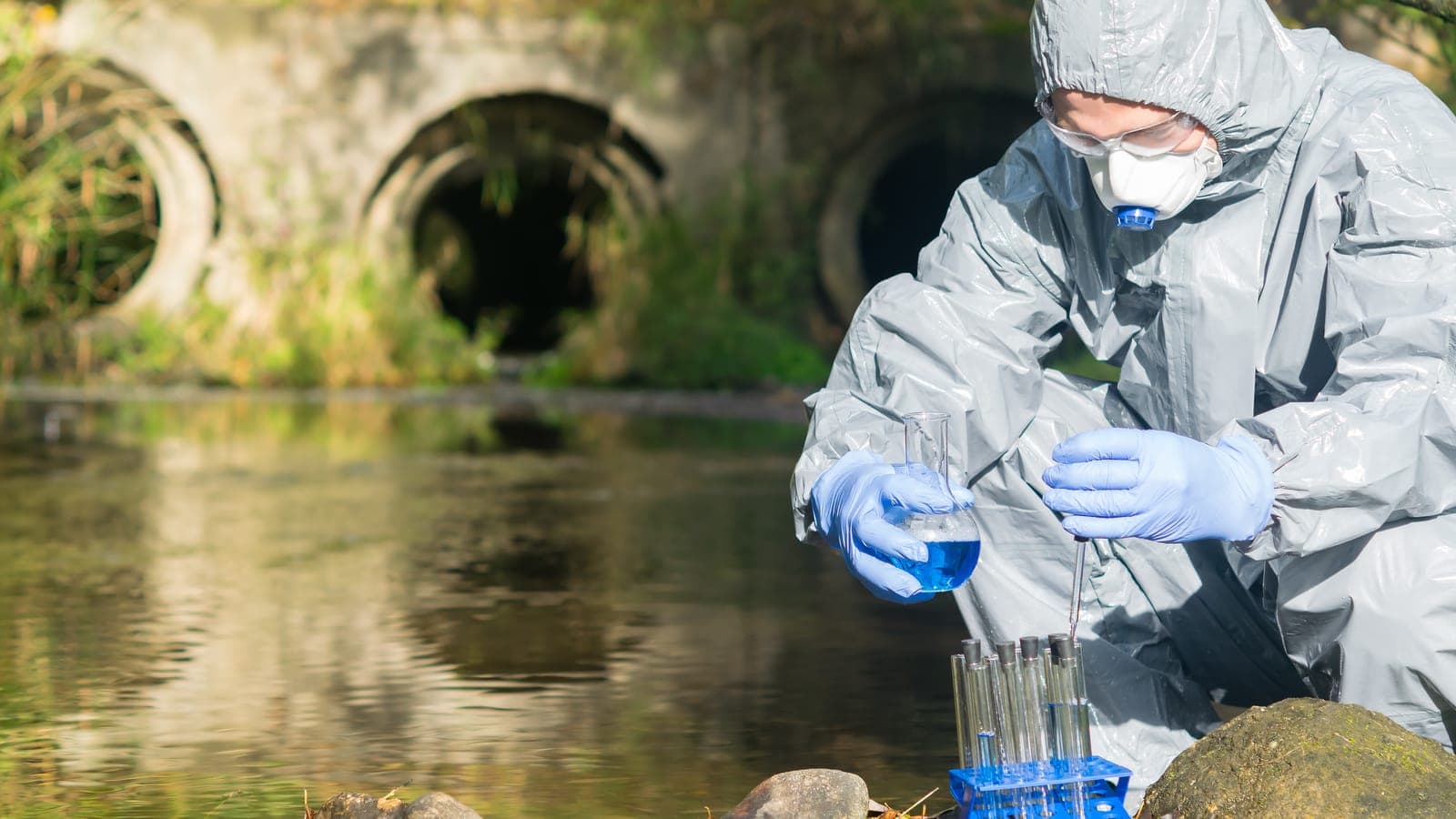
1. Use a certified water-testing lab. Look for a laboratory accredited or certified to perform drinking-water analysis. In Texas, your county's AgriLife Extension office and your local health department are common starting points for finding accredited labs and basic guidance on private wells.
2. Follow the lab's sampling instructions exactly. Contamination of the sample itself is a common mistake. The lab provides sterile containers and steps for how to collect, store, and deliver the sample, often within a tight time window.
3. Choose the right tests. Common things landowners ask labs to screen for include:
- Coliform bacteria and E. coli
- Nitrates and nitrites
- Total dissolved solids (TDS) and general mineral content
- Heavy metals such as lead, arsenic, and iron
- Petroleum-related compounds, if fuel storage is a concern nearby
- pH and hardness
If you have a specific worry, such as nearby fuel storage, tell the lab. They can recommend a panel suited to that concern rather than a generic screen.
4. Keep your results. Save the full lab report, the sample date, and any notes about conditions at the time. Written records hold up far better than memory.
Why a Baseline Test Matters
Here is the single most practical step many landowners overlook: test your water early and keep the record.
A baseline test captures what your water looked like at a specific point in time. If a question about water quality comes up later, a baseline gives you something to compare against. Without one, it is far harder to show whether anything changed, or when.
A baseline can be especially valuable:
- Before or soon after a large facility breaks ground nearby
- On a regular schedule (many sources suggest testing private wells at least once a year)
- After any unusual event, like a spill, flooding, or a sudden change in your water
Think of it as documentation. You are not assuming anything went wrong. You are simply making sure you have a clear, dated record if you ever need one. Photos of the water, dated notes, and saved lab reports all strengthen that record.
If you want to understand more about a landowner's position when industrial neighbors move in, our your rights overview walks through possible avenues worth exploring.
A Quick Checklist
- Note any changes in taste, color, or odor, with dates
- Find an accredited drinking-water lab
- Collect a baseline sample using the lab's instructions
- Test again on a regular schedule and after unusual events
- Save every report, photo, and note in one place
Concerned about water quality near a new industrial or data-center site? You may have questions about what your testing results could mean and what steps might be available to you. We offer a free, confidential review to help you understand your situation. Reaching out costs nothing and commits you to nothing.