What used to be quiet ranch land now sits next to huge industrial buildings filled with servers, steel, and a constant hum that never really stops. Many of these buildings are data centers. They keep the internet working, store cloud files, and support artificial intelligence. That's important work. But data center water usage runs high — often far more than people expect.
For rural landowners and nearby residents, the strain can feel immediate. Wells may drop. Creeks can thin out, and it can happen fast. Property values may change when heavy industry moves in next door, sometimes almost overnight, sometimes slowly and then all at once. These issues aren't theoretical anymore. Across Texas, some communities are already facing them.
Here's what data center water use may look like in 2026. It explains how cooling systems work, why industrial water demand keeps rising, and which cooling methods are likely to appear next, though not all at once. It also reviews more efficient cooling choices and what those decisions mean for local land and shared water resources.
Platforms like Big Data Damage help Texans sort through these impacts using plain facts instead of industry promises.
Why Data Centers Use So Much Water
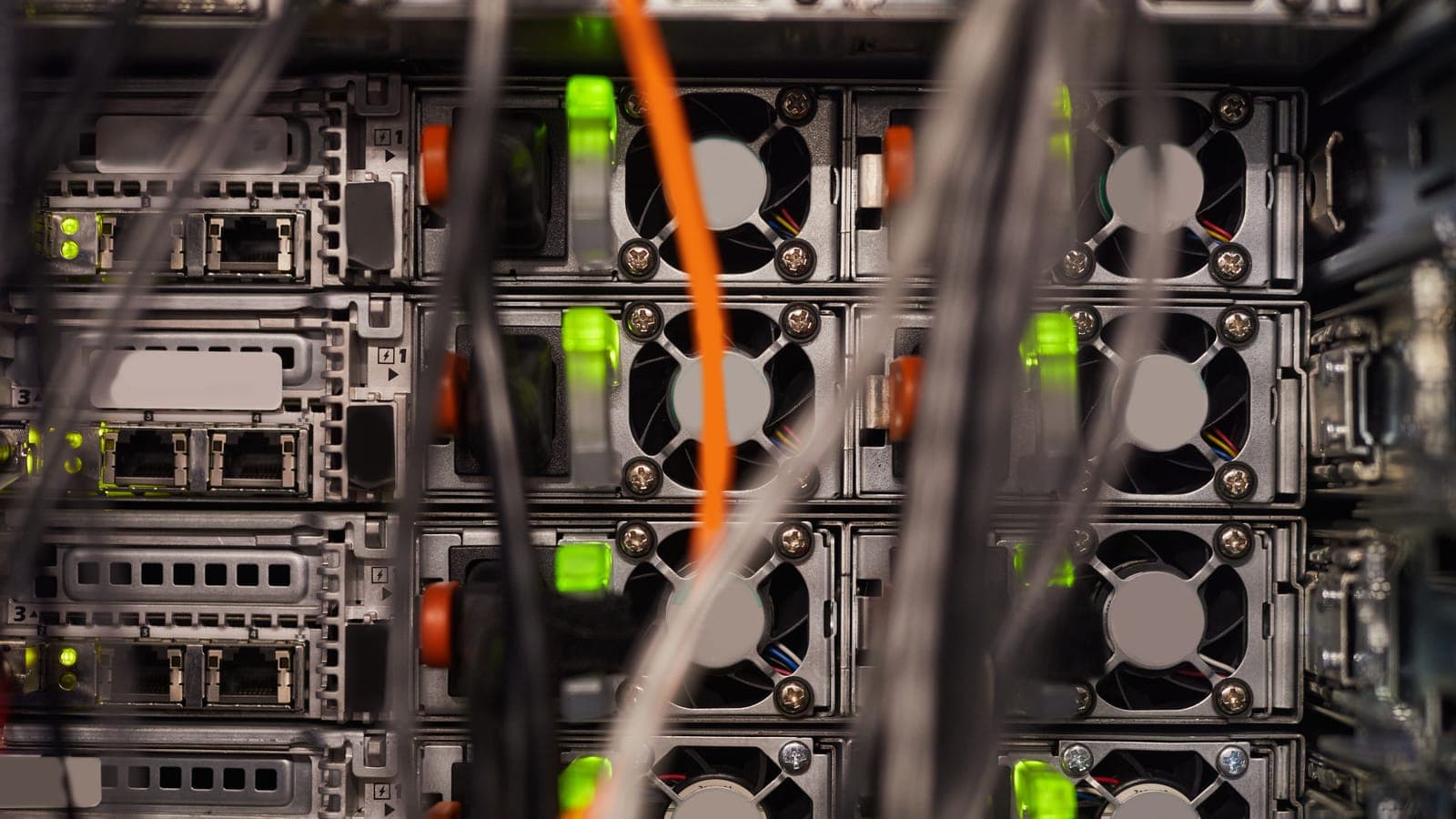
People often imagine data centers as clean, quiet places, and on the inside that's partly true. But keeping thousands of servers from overheating takes nonstop work and careful planning, every single day, with very little margin for mistakes. Heat can ruin computer hardware quickly. Managing temperature shapes nearly everything these facilities do.
In the United States, a typical data center uses around 300,000 gallons of water per day just for cooling. Some sites go much further than that. Large hyperscale facilities can use up to 5 million gallons per day, which is closer to the daily water needs of a small city than a single building.
Typical data center water usage for cooling
| Facility Type | Typical Daily Water Use | Community Comparison |
|---|---|---|
| Small to mid-sized data center | 300,000 gallons | Small rural town |
| Hyperscale AI data center | Up to 5 million gallons | 10,000 to 50,000 people |
Source: Brookings Institution
Researchers say cooling water demand could grow by as much as 870% as AI-driven facilities continue to expand (Brookings Institution). That kind of increase is hard to ignore.
Texas is at higher risk than many other states. Many data centers there depend on groundwater, and state law allows companies to pump large amounts with limited oversight. As a result, rural landowners compete for the same aquifers that supply homes, livestock, and crops.
Texas-Specific Water Projections Through 2026
Texas has become one of the country's hottest markets for data centers. Low land prices help, along with tax breaks and loose water rules that draw developers in quickly. Water planning hasn't kept pace. Not even close.
A 2025 report estimates Texas data center water use at about 49 billion gallons that year. If today's pattern continues, that figure doesn't just climb — it jumps to 399 billion gallons by 2030.
Projected Texas data center water consumption
| Year | Estimated Texas Data Center Water Use | Trend |
|---|---|---|
| 2025 | 49 billion gallons | Rapid growth |
| 2030 | Up to 399 billion gallons | Severe strain |
Source: Hill Country Alliance
Statewide, small and mid-sized sites still average around 300,000 gallons a day. Mega AI campuses are another story. They can pull in millions of gallons every day from nearby sources (Texas Observer).
Transparency is still a major issue. Texas doesn't require data centers to share water-use numbers. Counties approve projects without clear data on long-term effects. Landowners are left scrambling, sometimes before well problems even appear.
Cooling Technology 2026: What Is Changing and What Is Not
Across Texas, cooling technology in 2026 still feels pretty familiar. Most facilities stick with evaporative cooling because it's simple, proven, and easy to understand. It does the job, but it uses a lot of water. That trade-off hasn't shifted much, even as demand keeps rising.
In some setups, as much as 80% of withdrawn water evaporates and never makes it back to rivers or aquifers (Environmental and Energy Study Institute). Once that water is gone, it's gone. Over time, local supplies feel the strain, especially during long stretches of extreme heat.
Other options are already on the table. Closed-loop cooling systems move water through sealed pipes and reuse it instead of letting it escape into the air. Freshwater use can fall by up to 70%. The downside is price. Higher upfront costs slow adoption, and many developers pass unless rules require a change.
Air cooling and immersion cooling cut water use even further. They rely on more electricity and more complex setups. You see them more in dry regions. In Texas, water is still cheap and easy to get, which slows wider uptake.
For communities, it really comes down to choice. Without clear rules or incentives, companies usually go with the lowest-cost option, and water efficiency slides down the priority list unless expectations are spelled out.
Industrial Water Consumption and Community Risks
Industrial water use from data centers doesn't stay put. When operators pump groundwater, connected systems shift, often without much notice. Wells drop. Springs weaken. Creek flows shrink.
Companies sometimes point to reclaimed or recycled water, but the loss is still felt downstream. That supply no longer feeds rivers, wildlife, or nearby communities (Lincoln Institute of Land Policy).
For rural Texans, the risks include:
- Lower well pressure or dry wells
- Less water for farming and livestock
- Increased land subsidence from over-pumping
- Property value loss near industrial sites
These impacts can appear slowly. By the time the damage is clear, contracts are signed and infrastructure is already built. If your well is already struggling, see our guide on what to do if your well runs dry, and our water-harm hub for the broader picture. Spotting water impacts early helps shape decisions before those changes lock in.
Efficient Cooling Solutions and Local Leverage Points
Efficient cooling solutions are already available, but they aren't used everywhere yet. In Texas, community leaders are calling for small, practical steps that could speed up adoption, in some cases sooner than people expect.
A simple starting point is direct water metering at facilities. When operators track and share usage, the effects stop feeling theoretical and become clear to planners and local residents. Another pressure point is linking tax abatements to water-efficiency benchmarks, which gives developers a straightforward reason to cut back on water use. It's basic pressure, but it works.
Communities can also ask developers to explain:
- Expected daily and annual water use
- Cooling technology type
- Backup water sources during drought
- Long-term aquifer impact studies
Together, these actions allow growth to move forward while adding accountability. The Hill Country Alliance advises including data centers in regional water planning by treating them as direct water users.
What This Means for Your Rights as a Texas Landowner
Heavy data center pumping is not only a planning problem — it can become a legal one. Texas groundwater runs under the rule of capture, which gives the biggest pumper wide latitude. But that rule has limits: pumping that is wasteful, or that causes land subsidence and damages a neighbor's property, can create liability. If a facility's water use dries your well or sinks your land, you may have options — from challenging a permit before a Groundwater Conservation District to documenting the harm for a possible claim. This is general information, not legal advice; for your specific situation, we offer a free, confidential review.
Frequently Asked Questions
How much water will data centers use in Texas by 2026?
By 2026, Texas data centers are expected to use tens of billions of gallons per year. Growth is driven by AI facilities that require constant cooling, often from groundwater sources.
Are data centers required to report water usage in Texas?
No. Texas does not currently require public disclosure of data center water use. This makes it hard for counties and landowners to assess cumulative impacts.
Do efficient cooling solutions really reduce water use?
Yes. Closed-loop and air-based cooling systems can reduce freshwater use by 50 to 70 percent or more. They cost more upfront but lower long-term water risk.
How can landowners find reliable information about local data center impacts?
Investigative resources like Big Data Damage focus on groundwater depletion, pollution, and property rights. They help landowners understand risks before projects move forward.
Will data centers affect my property value?
They can. Heavy water use, noise, diesel generators, and visual impacts may lower nearby property values, especially in rural areas dependent on wells.
What questions should communities ask developers?
Ask about water sources, daily usage, cooling methods, and drought plans. These answers reveal whether a project is designed for long-term sustainability or short-term gain.
What Comes Next for Texas Communities
Data centers aren't going away. By 2026, water demand and cooling needs will be higher than they are today. Communities still have a say. The choices made now carry real weight.
Plain information helps residents make fair decisions. When people understand how much water data centers use and how cooling technology works in 2026, the trade-offs become easier to see. There's less guesswork. Reviewing wider industrial water use patterns also gives landowners more time to respond.
Staying informed matters. Ask questions early, share data with neighbors, and local influence grows. Before regulators approve permits, pushing for transparency gives Texans a stronger chance to protect water and plan for what comes next.