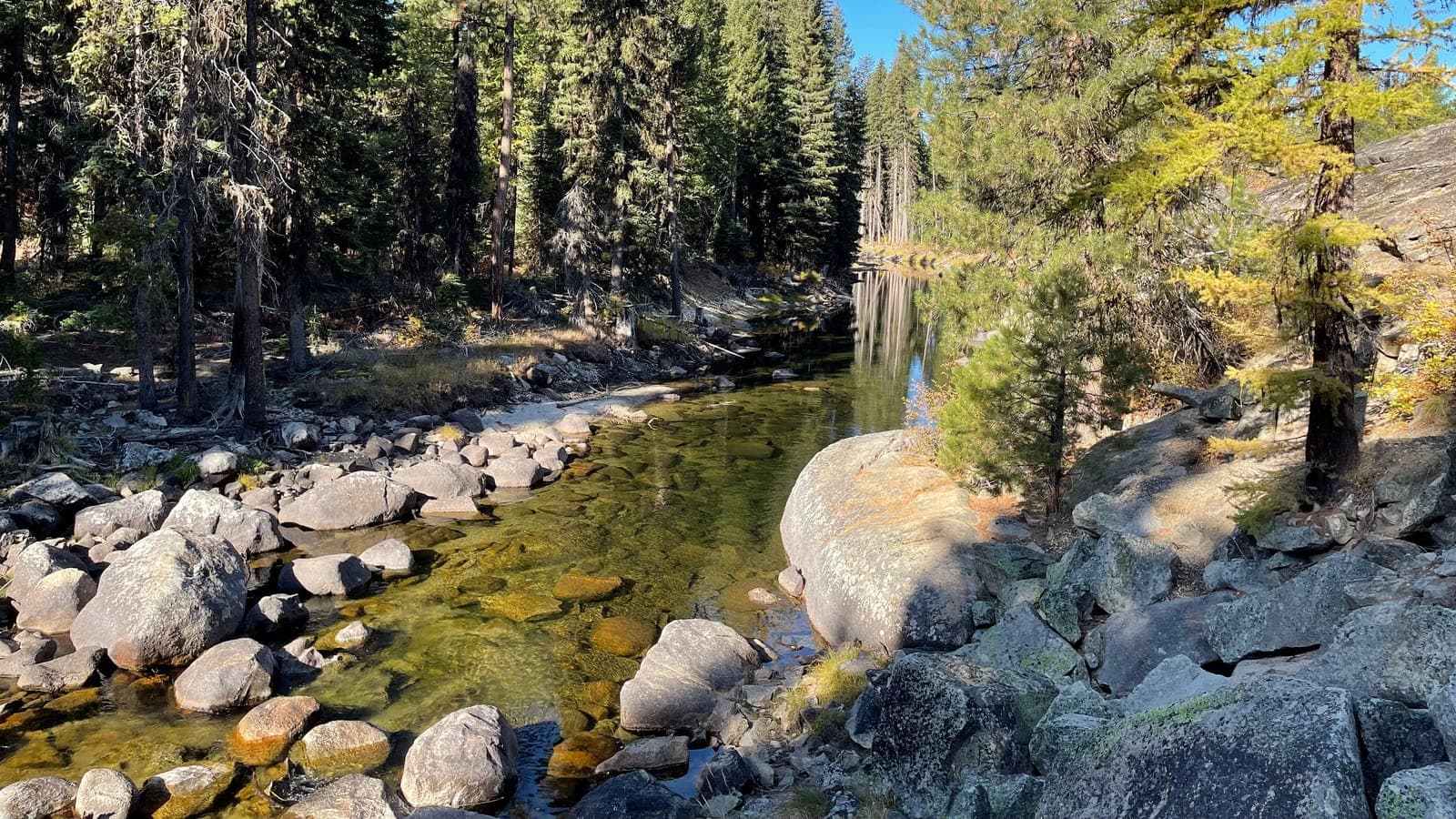
San Marcos, Texas, is renowned for its natural springs, clear rivers, and the unique ecology supported by the Edwards Aquifer. This vibrant city and its surrounding areas draw their lifeblood directly from the aquifer, which feeds the iconic San Marcos Springs—the source of the San Marcos River. However, with the increasing interest in developing large-scale data centers in Texas, concerns are rising about the potential for significant water demands to impact this sensitive and crucial water source.
Data centers, essential infrastructure for the digital age, require vast amounts of water primarily for cooling their heat-generating servers. In a region as hydrologically unique and ecologically vital as San Marcos, understanding the specific relationship between data center operations and the Edwards Aquifer is critical for landowners and residents alike. This article explores the potential challenges posed by data center pumping in the San Marcos area, focusing on the aquifer's unique characteristics, its protected inhabitants, and the importance of responsible water management.
The Edwards Aquifer: A Lifeline for San Marcos Springs
The Edwards Aquifer is a complex and highly productive groundwater system, primarily composed of porous limestone formations. Unlike many aquifers that hold water in sandy or gravelly layers, the Edwards Aquifer stores and transmits water through cracks, fissures, and solution channels within the rock. This unique geology allows for rapid recharge from rainfall and swift movement of water through the system, eventually surfacing at major springs like those in San Marcos and Comal.
San Marcos Springs is one of the largest spring systems in Texas, discharging an average of 100 to 150 cubic feet of water per second, forming the headwaters of the San Marcos River. This consistent flow creates a stable aquatic environment that supports an extraordinary array of biodiversity, including several species found nowhere else on Earth. Among these are federally protected endangered species such as the Texas blind salamander, San Marcos salamander, fountain darter, and Texas wild-rice. The health and survival of these species are directly linked to the quantity and quality of water discharged from the springs, which in turn depends on the water levels within the Edwards Aquifer. Any significant reduction in aquifer levels can directly translate to reduced spring flow, threatening these delicate ecosystems.
Data Center Water Demands and Cooling Technologies
Data centers operate 24/7, generating substantial heat from their powerful servers and IT equipment. To prevent overheating and maintain optimal performance, these facilities rely on extensive cooling systems, many of which are highly water-intensive. The two primary cooling methods that draw significant attention regarding water use are evaporative cooling and closed-loop systems.
Evaporative cooling, often utilizing large cooling towers, is a common and efficient method. It works by evaporating water to dissipate heat into the atmosphere. While effective, this process continuously consumes water, as the evaporated water must be replaced, along with "blowdown" water to prevent mineral buildup. A large data center using evaporative cooling can consume millions of gallons of water per day, comparable to the daily usage of a small to medium-sized town.
Closed-loop cooling systems, while generally more water-efficient than evaporative towers, still require water. These systems circulate a coolant (often water or a glycol mixture) through the data center, which then transfers heat to an external heat exchanger. This external exchanger may still rely on evaporative cooling or require makeup water for other cooling processes. Even "air-cooled" facilities often use evaporative coolers for supplemental cooling or peak demand, adding to the overall water footprint. The sheer scale of proposed data centers means that even less water-intensive methods can still exert considerable pressure on local water supplies.
Potential Impacts on Spring Flow and Endangered Species
The introduction of large industrial users like data centers, drawing water directly from the Edwards Aquifer, raises serious concerns for the San Marcos area. Increased pumping from the aquifer, even for seemingly modest individual facilities, could cumulatively lower the water table. A lowered water table directly impacts spring flow. If the water level in the aquifer drops below certain thresholds, the natural pressure driving water to the surface at San Marcos Springs diminishes, potentially reducing or even ceasing spring flow during extended drought conditions or periods of high demand.
The consequences for the protected species are dire. Reduced spring flow can decrease habitat size, alter water chemistry and temperature, and make existing habitats more vulnerable to pollution or invasive species. The Edwards Aquifer Habitat Conservation Plan (HCP) was developed to protect these federally listed species, ensuring their survival through periods of drought and high water demand. This plan mandates specific pumping limits and conservation measures across the Edwards Aquifer region to maintain minimum spring flows. However, the plan relies on careful management and adherence to these limits, and additional large-scale pumping could challenge the delicate balance the HCP seeks to maintain. Landowners concerned about their own well water access and the environmental impact of increased pumping can learn more about how to protect their water rights at /damage/water.
Local Water Management and Permitting in the Edwards Aquifer Region
Water resources in the Edwards Aquifer region are managed by the Edwards Aquifer Authority (EAA), which is responsible for regulating pumping from the aquifer to ensure its sustainability and protect spring flow for endangered species. The EAA issues permits for groundwater withdrawal, often based on historical use and the total available pumping capacity under the Habitat Conservation Plan.
Any new significant water user, such as a data center, would need to acquire pumping rights either directly from the EAA or by purchasing existing permits from other users. While the EAA's framework is designed to protect the aquifer, the process of allocating water rights and reviewing new permits can be complex. Public participation in the permitting process is an important avenue for landowners to voice concerns and provide local context. Understanding the local permitting process and how to engage with the EAA is crucial for landowners who want to influence decisions about groundwater extraction. Information on this topic can be found at /articles/how-to-protest-data-center-water-permit-texas.
Frequently Asked Questions
How much water does a typical data center use?
The exact water usage varies significantly based on the data center's size, cooling technology, and operational efficiency. However, large data centers can consume millions of gallons of water daily, sometimes rivaling the water usage of smaller municipalities. This water is primarily used for cooling servers and other equipment to prevent overheating.
Can data centers use treated wastewater instead of fresh groundwater?
Using treated wastewater (reclaimed water) is an option for data centers and is often considered a more sustainable practice, especially in water-stressed regions. This would reduce the reliance on fresh groundwater sources like the Edwards Aquifer. The feasibility depends on the availability of a robust wastewater treatment infrastructure nearby and the data center's willingness to invest in the necessary infrastructure for using non-potable water.
What is the Edwards Aquifer Habitat Conservation Plan?
The Edwards Aquifer Habitat Conservation Plan (HCP) is a comprehensive program designed to ensure the long-term viability of the Edwards Aquifer and its associated spring flows, particularly for the federally listed endangered and threatened species that depend on them. It establishes pumping limits, outlines conservation measures, and funds projects aimed at protecting the aquifer and its habitats, especially during drought conditions.
How can landowners get involved in protecting the aquifer from new developments?
Landowners can get involved by staying informed about proposed developments, attending local government meetings, and participating in public comment periods for water permits. Connecting with local environmental groups and groundwater conservation districts can also provide avenues for collective action and access to expert information. Understanding your rights and responsibilities regarding groundwater in Texas is an important first step.
Are data centers required to report their water use in Texas?
Yes, large water users in Texas, including industrial facilities like data centers, are generally required to report their water usage to regulatory bodies like the Texas Water Development Board (TWDB) or local groundwater conservation districts, depending on the source and volume of water used. This data helps state and local agencies track water consumption and manage resources.
Protecting a Vital Resource
The Edwards Aquifer and the San Marcos Springs are irreplaceable natural treasures, supporting unique ecosystems and providing essential water resources to the community. As San Marcos faces potential data center development, understanding the significant water demands of these facilities and their potential impacts on spring flow and endangered species is crucial. By staying informed, engaging in local decision-making processes, and advocating for sustainable water practices, landowners and residents can play a vital role in protecting this invaluable resource for future generations.