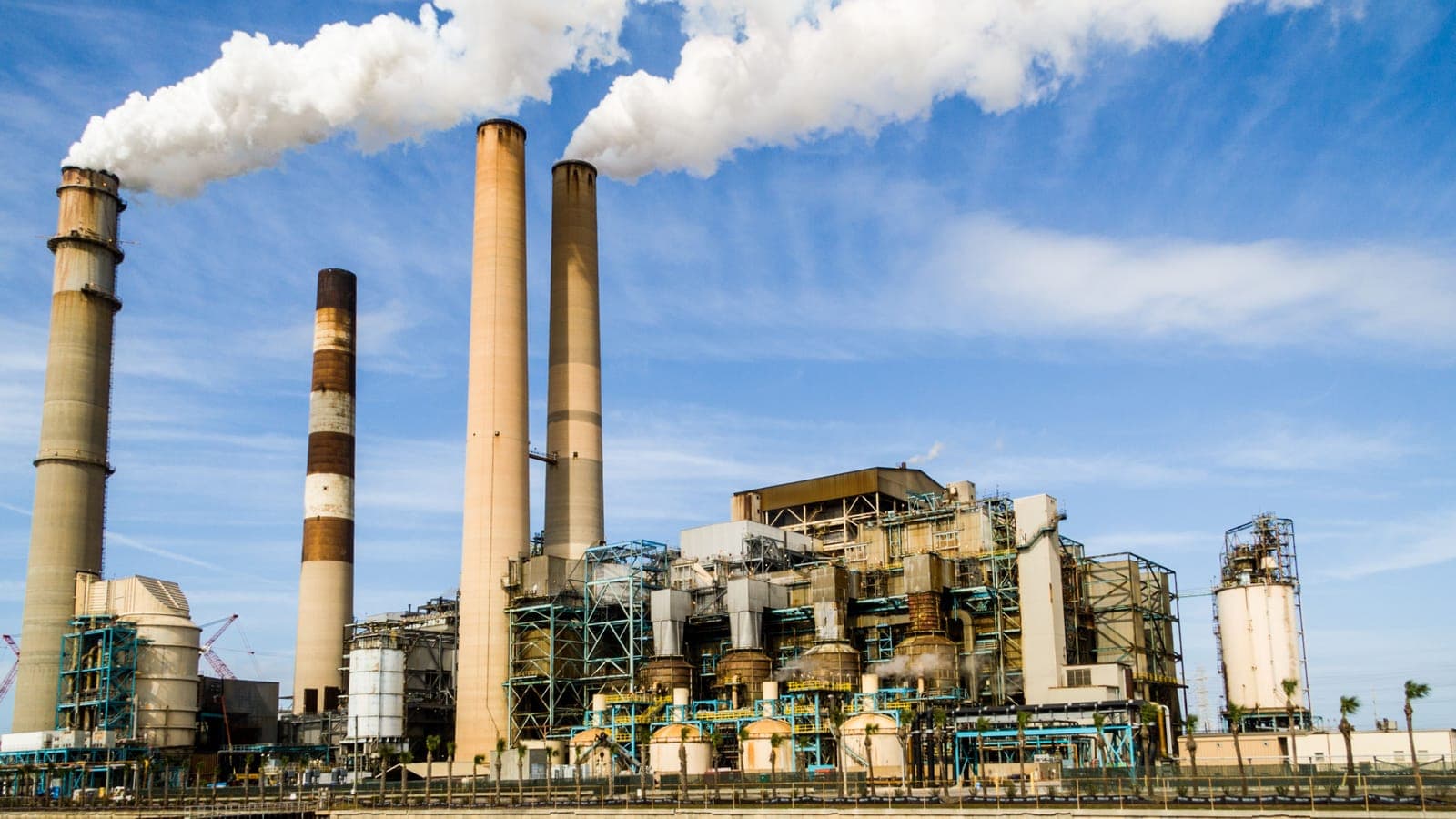
Midlothian has long been a workhorse of Texas industry. Cement kilns, steel mills, and heavy manufacturing have defined the corridor along the U.S. 67 and Highway 287 spine for decades. Now a new kind of plant is moving in, and it does not make steel or cement. It makes computing power, and it can drink a remarkable amount of water doing it.
For Ellis County landowners who already share the air with industry, the arrival of large data centers raises a fresh question: where will all the water come from?
Why Data Centers Need So Much Water
Big data centers run thousands of servers that generate intense heat. To keep that hardware from failing, many facilities use evaporative cooling, a process that sprays or circulates water and lets it evaporate to pull heat away.
The catch is that evaporated water does not return to the local system the way wastewater from a home or office might. It leaves as vapor. That makes large cooling operations a form of consumptive water use, where the water is effectively gone from the local balance.
If you want a deeper breakdown of these numbers, see our overview of how much water data centers use. The short version: a single hyperscale campus can consume volumes comparable to thousands of households.
Midlothian's Corridor Was Built for Heavy Use
Midlothian's industrial corridor is attractive to data center developers for the same reasons it drew cement and steel:
- Large tracts of land already zoned for industry
- Proximity to major highways and the Dallas-Fort Worth grid
- Existing utility and transmission infrastructure
- A community familiar with large industrial neighbors
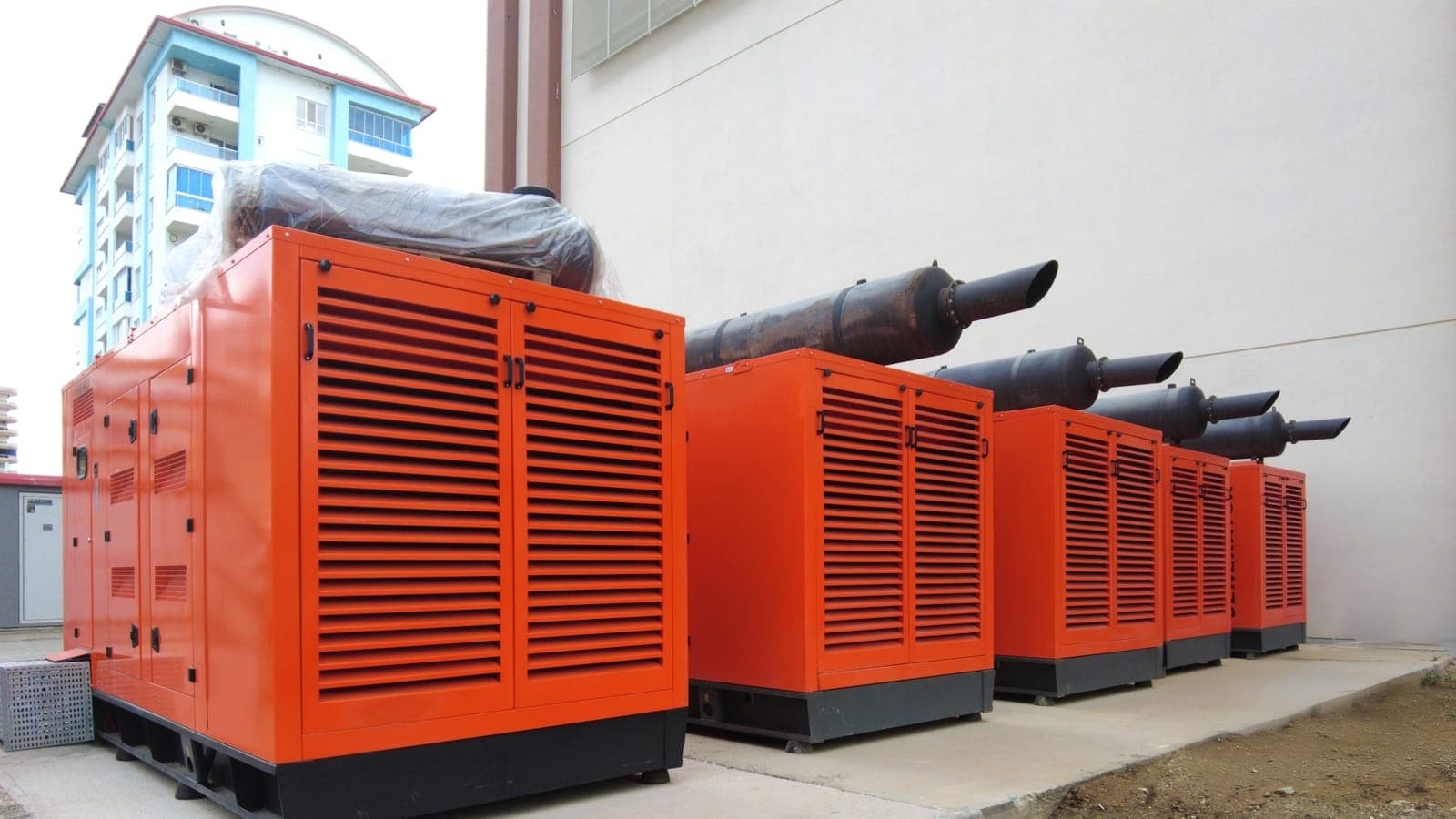
But there is an important difference. Older heavy industry in the area built its reputation on the air side of the ledger, which is why we cover the diesel generators and air emissions tied to these same sites. Water-intensive cooling adds a second front. A region that already manages significant industrial demand may now face new pressure on its drinking and agricultural supply.
The Trinity Aquifer and Drawdown Risk
Much of North Central Texas, including parts of Ellis County, depends on the Trinity Aquifer for groundwater. The Trinity is a layered system that recharges slowly. When water is pumped out faster than rain and runoff can replace it, water levels drop in a pattern called drawdown.
Drawdown can have real consequences for nearby property owners:
- Falling well levels. A neighbor's high-volume pumping can lower the water table that your well relies on.
- Higher pumping costs. As levels drop, wells must reach deeper, and pumps work harder.
- Dry or failing wells. In stressed areas, shallower wells can stop producing reliable water.
- Long recovery times. Slow-recharging aquifers may take years to rebound, if they rebound at all.
A data center that pulls heavily from groundwater, or that strains a municipal system which then leans harder on the aquifer, could contribute to these effects over time.
How Texas Groundwater Rules Factor In
Texas groundwater law is unusual, and it matters here.
The Rule of Capture
Texas largely follows the Rule of Capture, an old legal principle that generally lets a landowner pump groundwater from beneath their own property even if doing so affects a neighbor's well. In its purest form, the rule offers limited protection to the person whose water disappears.
That is the backdrop every Ellis County water user lives with. It is also why the next piece is so important.
Groundwater Conservation Districts
To soften the harder edges of the Rule of Capture, Texas relies on Groundwater Conservation Districts (GCDs). These local districts are the primary tool the state uses to manage aquifers. Depending on the district, a GCD may:
- Require permits for high-volume or non-exempt wells
- Set spacing and production limits to reduce interference between wells
- Track and report on aquifer conditions and water levels
- Adopt management plans aimed at long-term sustainability
For landowners, the GCD that covers your area can be a key place to learn what a new large user is permitted to pump, to review applications, and to participate in the public process. Whether and how a specific data center's water use is regulated may depend heavily on the rules of the district and the source of the water.
What Midlothian-Area Landowners Can Watch For
If you own property near the corridor, a few practical signals are worth monitoring:
- Permit filings with your local Groundwater Conservation District for new high-volume wells.
- Municipal water agreements that commit large volumes to a single industrial customer.
- Changes in your own well, such as dropping levels, sediment, or reduced flow.
- Public hearings on zoning, utilities, or water service tied to new industrial projects.
Documenting your well's baseline now, including water levels and flow, could prove useful if conditions change later. Keeping records is something every landowner can do, and it costs nothing.
You can learn more about this region on our Midlothian location page and explore the broader issue on our data center water harm hub.
A Watchdog's Bottom Line
Midlothian's industrial story is not over; it is changing. Water-intensive data centers in an already busy corridor could place new and possible long-term pressure on the Trinity Aquifer and on the wells and supplies that families and farms depend on. Texas groundwater rules, from the Rule of Capture to local GCDs, will shape how that pressure plays out.
None of this is a forecast of doom, and none of it is legal advice. It is a reason to pay attention.
If a nearby data center or other large industrial user has affected your water, you are not alone, and you do not have to figure it out by yourself. We offer a free, confidential review to help you understand what is happening and what possible avenues may be available. Reaching out costs nothing and commits you to nothing.