A fight unfolding just east of the Texas line should have the attention of every Texan who lives near a data center, or expects to soon. In mid-June 2026, the U.S. Department of Justice asked a federal court to step into a pollution lawsuit against xAI, Elon Musk's artificial-intelligence company, and to throw it out. The case is about a data center. It is also about something larger: what happens to the people next door when a powerful facility skips the permitting process and the federal government decides to look the other way.
Texas is the center of the country's data-center boom. So when this pattern plays out a few hundred miles away, it is worth understanding exactly what happened, and what it could mean here.
What Is Actually Happening Near Memphis
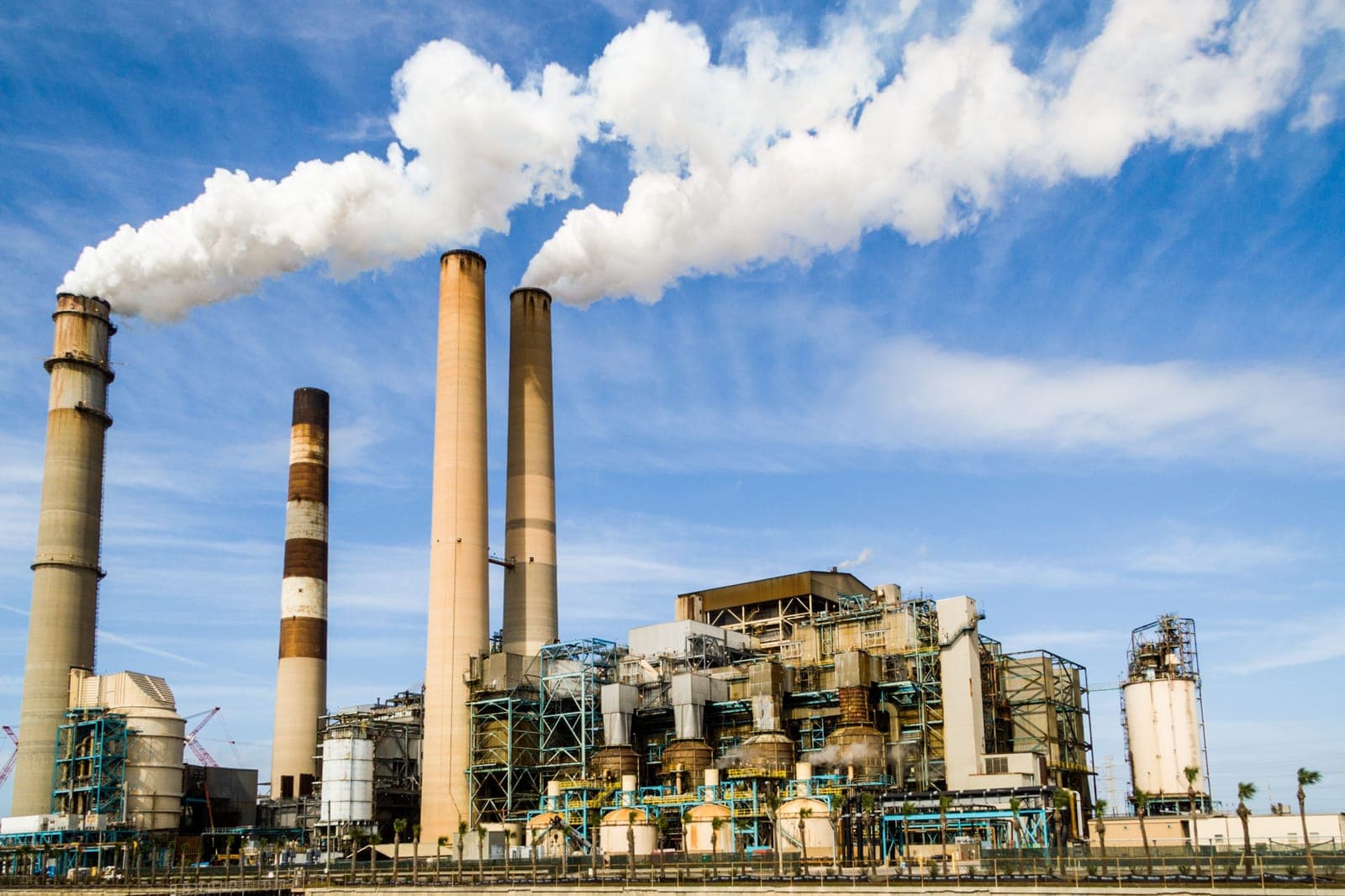
To run its massive Colossus 2 computing site near Memphis, Tennessee, xAI needed enormous amounts of electricity. Rather than wait for the grid, the company installed and ran dozens of natural gas turbines at a site in Southaven, Mississippi, just across the state line from Memphis neighborhoods, schools, and churches.
The problem, according to the lawsuit, is that those turbines were operating without the air permits the law requires. The NAACP and allied groups filed a Clean Air Act citizen suit in April 2026, alleging xAI ran the turbines without the permits or emission controls that ordinary industrial polluters must obtain before they fire up. (You can read the Southern Environmental Law Center's summary of the allegations and a CNN report on the federal motion to dismiss.)
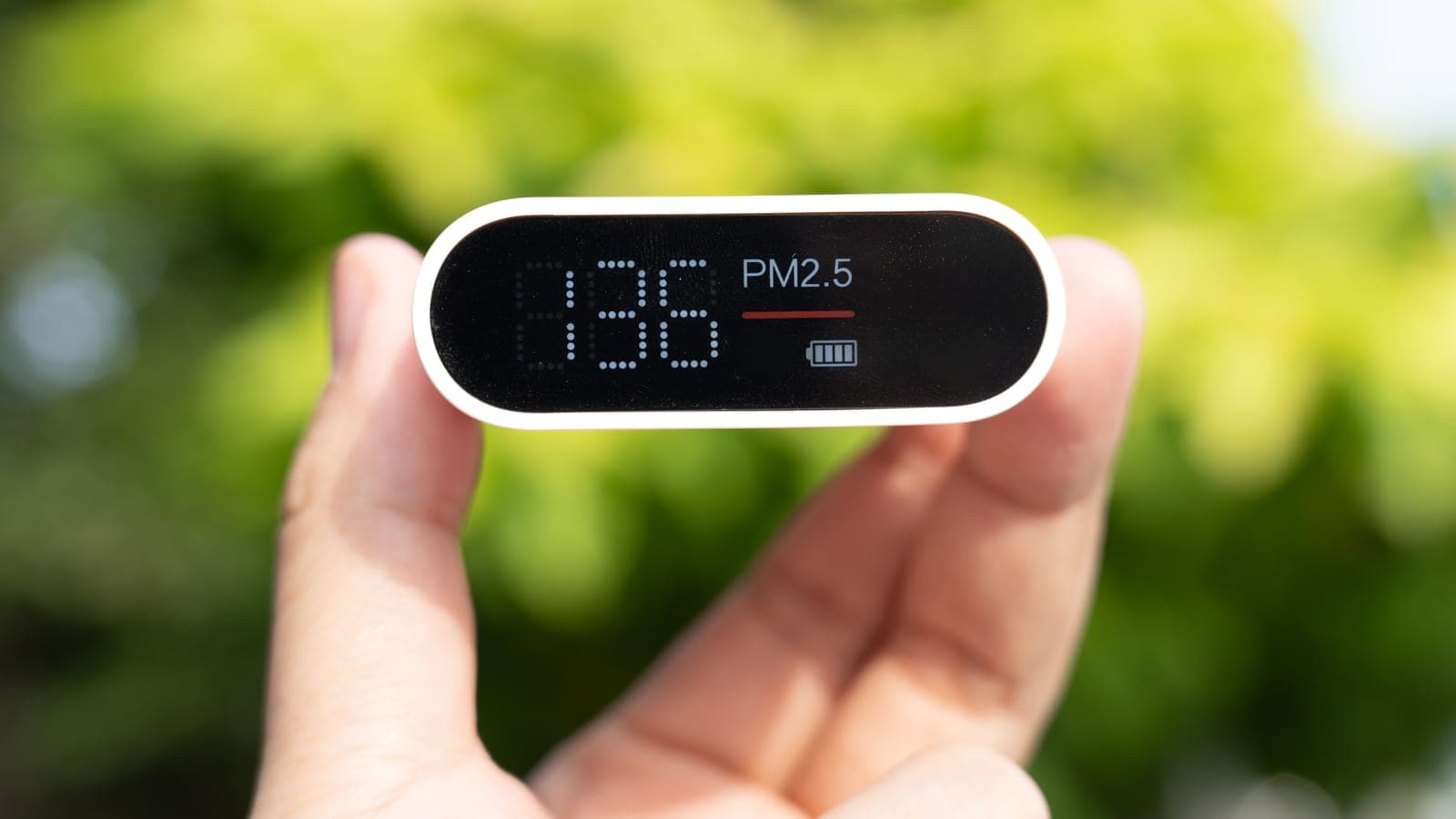
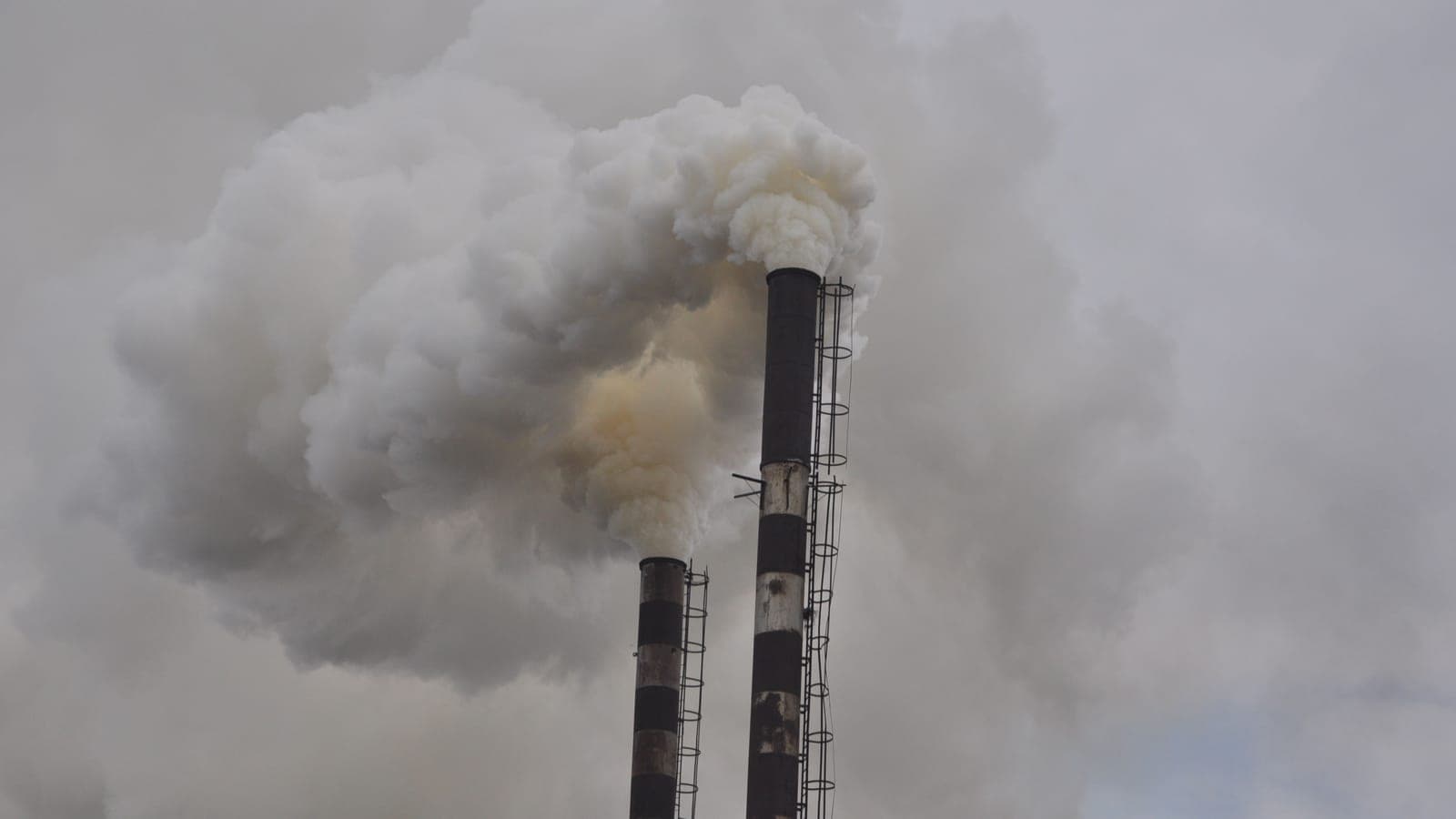
The numbers in the case are not small. By the environmental groups' accounting, the turbines are capable of emitting more than 5,300 tons of nitrogen oxides a year, hundreds of tons of fine particulate matter, and dozens of tons of formaldehyde, all into the air breathed by surrounding communities. Nitrogen oxides feed smog and ground-level ozone. Fine particulate is among the most studied air pollutants linked to heart and lung harm. Formaldehyde is a recognized carcinogen.
Then, on June 16, 2026, the Justice Department moved to intervene in the case and have it dismissed, arguing the data center is critical to the economy and to national security. The Environmental Protection Agency, asked for its position, referred the question to the DOJ.
Why a Tennessee Story Matters in Texas
It is easy to read this as someone else's problem. It is not. The mechanics of the Memphis situation map almost exactly onto what is unfolding across Texas.
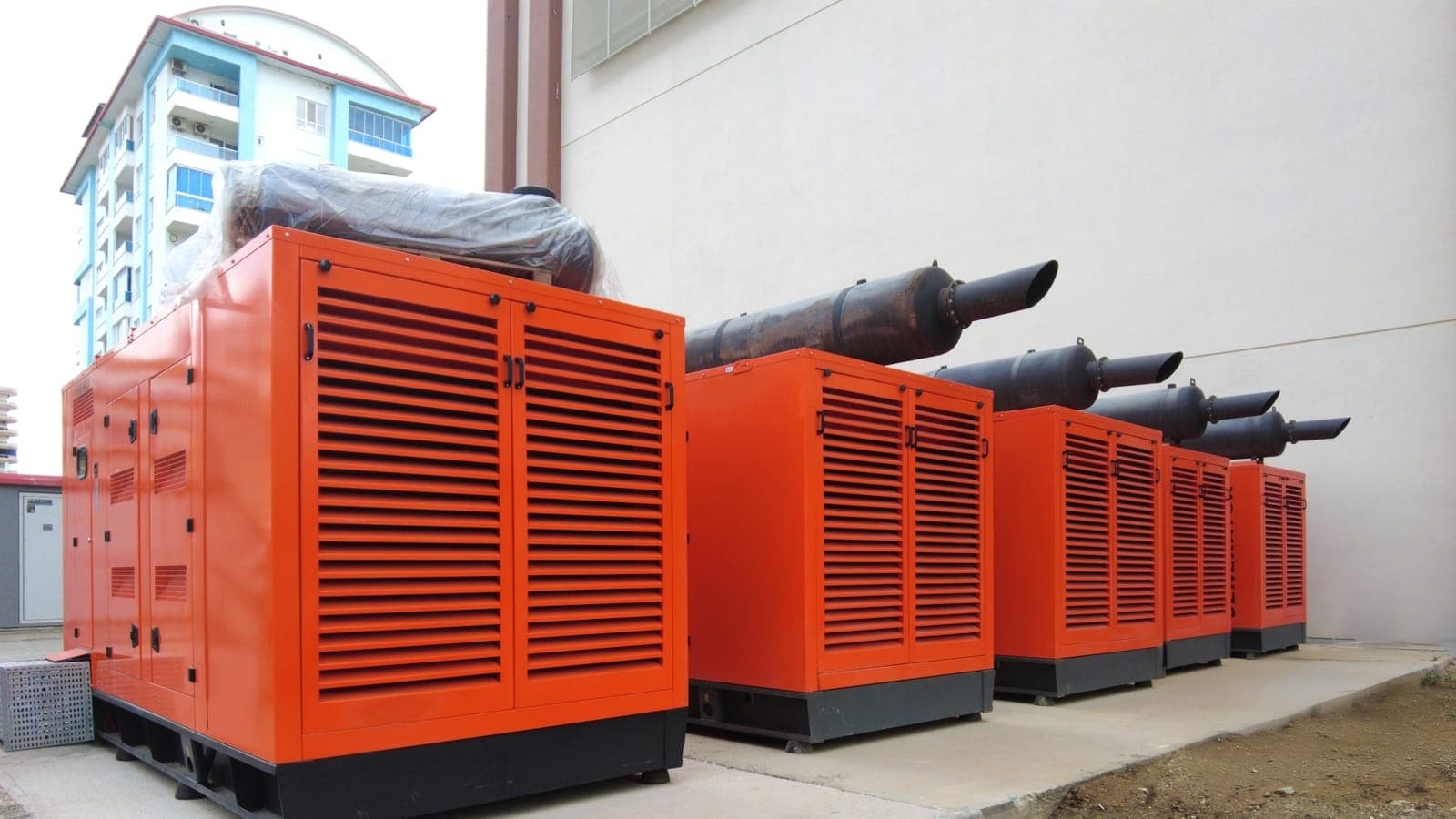
The power problem is identical. Data centers need staggering amounts of electricity, and they need it faster than the grid can deliver. That pushes operators toward on-site generation, whether large banks of diesel backup engines or, increasingly, gas turbines. The combustion that powers the servers is the same combustion that lands in a neighbor's lungs.
The permitting questions are the same, even if the agency is not. In Texas, air emissions are overseen by the Texas Commission on Environmental Quality (TCEQ) rather than the EPA, and a facility generally needs air authorization before it operates. But the core issue in the xAI case, building and running first and sorting out the paperwork later, is exactly the dynamic landowners near Texas sites have been raising. For more on how the Texas system works, see our guide to data center air pollution in Texas.
The political posture travels. When the federal government signals that a favored facility's permitting obligations can be set aside, that signal does not stop at a state border. It shapes how aggressively every operator behaves, and how confident a neighbor can feel that the rules will be enforced.
The Pattern Landowners Should Recognize
Strip away the names and the politics, and the xAI case follows a sequence that should be familiar to anyone watching the data-center surge:
- Build first. The facility goes up and begins operating on a timeline that outruns the permitting process.
- Generate power on site. Turbines or diesel engines run hard, often around the clock, to feed the servers.
- Push the cost outward. The emissions, the noise, the wear on local air and water do not show up on the company's balance sheet. They show up on the property and in the health of the people living closest.
- Lean on permission from above. When challenged, the operator points to its economic importance, and sometimes finds a government willing to agree.
None of this is an argument against artificial intelligence or against data centers as such. These facilities will be built, and many people want them built. The point is narrower and older than any technology: a project does not get to harm its neighbors for free. When a facility skips the permits that exist precisely to protect surrounding families, and when the agencies meant to enforce those rules step back, the burden falls on the landowner, and the landowner is the one left to insist on accountability.
What Texas Landowners Can Do Now
If you live near a data center, or near land where one is planned, the Memphis case is a reminder to pay attention early. A few practical steps:
- Document what you experience. Note the dates and times you notice exhaust, haze, odor, or soot, and photograph visible plumes or residue. Record any health effects in your household. A clear, contemporaneous timeline is one of the most useful things you can build.
- Watch the permits. Major air permits in Texas typically involve public notice and a comment period. That is a real avenue to raise concerns before a facility is locked in. Our walkthrough on how to protest a data center's air permit with the TCEQ explains the process.
- Know your rights. Permit limits are not a promise that you will notice nothing, and a facility staying inside its paperwork can still affect daily life and property value. Our Your Rights page lays out what may be available to affected landowners.
- See the evidence. The independent health studies behind cases like this one — including the modeling of xAI's own turbines — are gathered in our research library, alongside the peer-reviewed work on data-center noise, diesel emissions, and water.
The xAI fight is still in court, and how it resolves will say a great deal about whether companies can run industrial-scale power plants next to American homes without the permits the law requires. Texans have every reason to follow it closely, because the same questions are already being asked here.
If a data center near your Texas property is affecting your air, your water, your quiet, or your land, you may have questions about your options. We offer a free, confidential review to help you understand what you are dealing with and what avenues might exist. Reaching out costs nothing and carries no obligation.