You may never hear the servers humming behind the fences. But when a data center fires up its diesel generators, you can often smell it, sometimes see the haze, and occasionally feel it in your chest. For many Texas landowners living near these sprawling facilities, the air is where the harm shows up first.
This guide explains why data centers burn so much diesel, what comes out of the exhaust stacks, how Texas regulates it, and what you can do to protect yourself and document what is happening.
Why Data Centers Run So Many Diesel Generators
A large data center must stay online every second of every day. To guarantee that, operators install banks of backup generators, often dozens of large diesel engines, that can power the entire site if the grid drops.
Those generators do not just sit idle. They run for two main reasons:
- Routine testing. Backup engines must be exercised regularly to prove they will start in an emergency. That means scheduled run-time, sometimes weekly or monthly, even when the grid is fine.
- Grid strain and demand response. When the Texas grid is stretched, some facilities run generators to ease the load or to ride through tight periods. Heat waves and high-demand days can mean more hours of diesel burn.
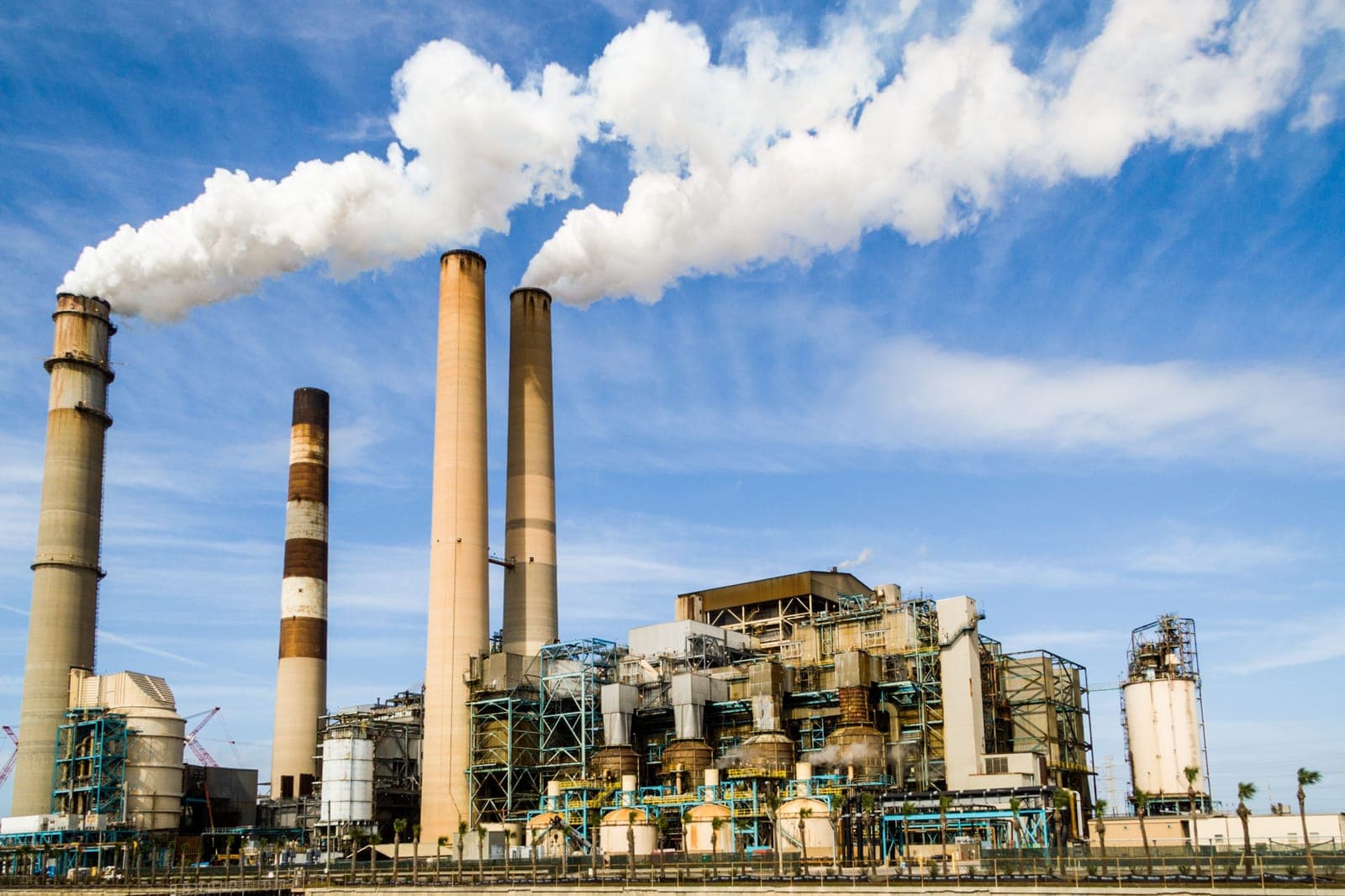
Multiply one large engine by dozens of units across a single campus, and the combined exhaust can rival a small industrial plant.
What Comes Out of the Stack
Diesel exhaust is not a single pollutant. It is a mix of substances, several of which raise health and quality-of-life concerns:
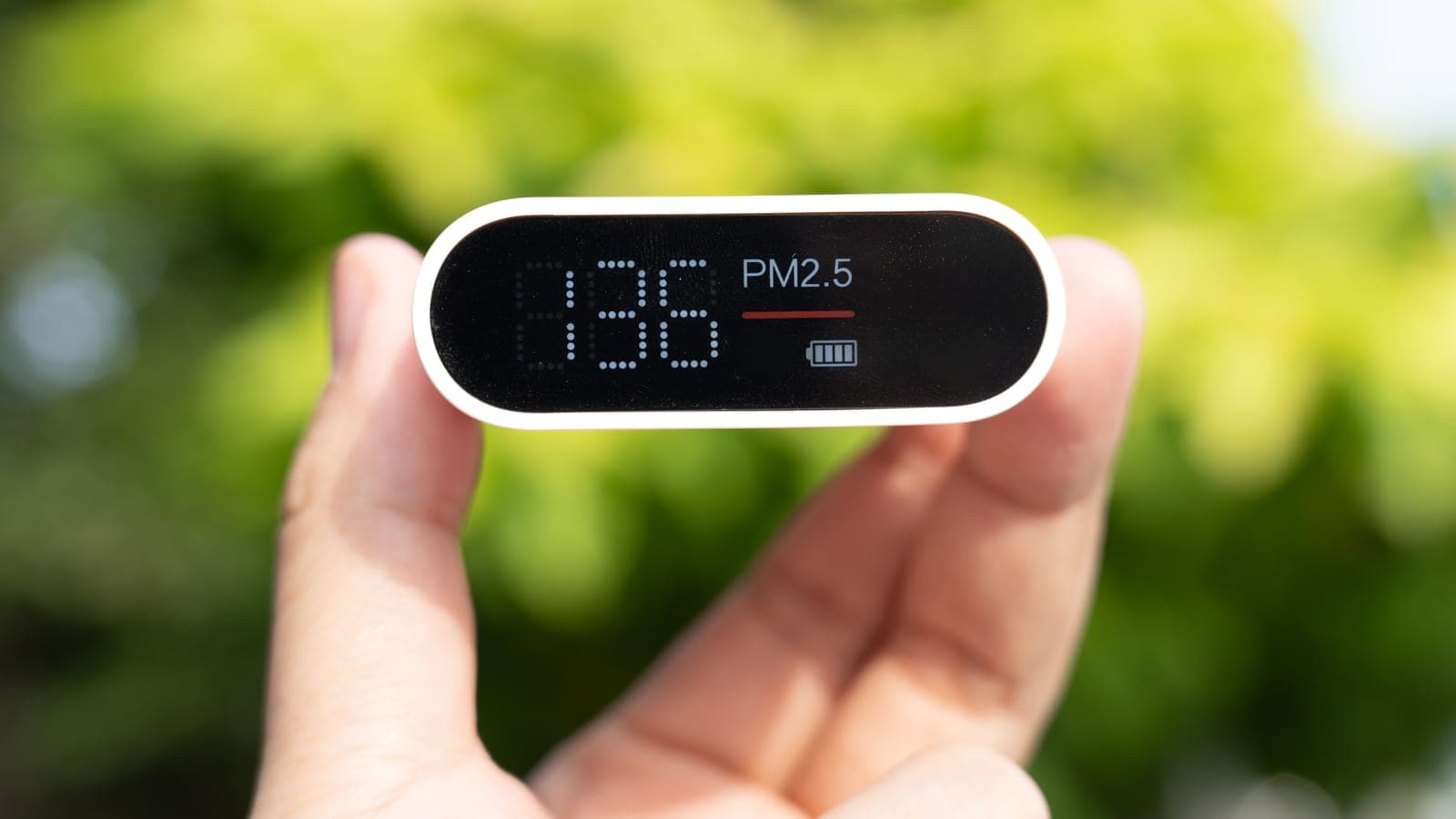
- Particulate matter (PM2.5 and PM10). Tiny particles that can travel deep into the lungs. Fine particulate is one of the most studied air pollutants linked to respiratory and heart effects.
- Nitrogen oxides (NOx). Gases that contribute to smog and ground-level ozone, which is already a regulated concern in many Texas regions.
- Diesel exhaust as a whole. Health authorities have long flagged diesel exhaust as a serious air-quality hazard, particularly with repeated exposure.
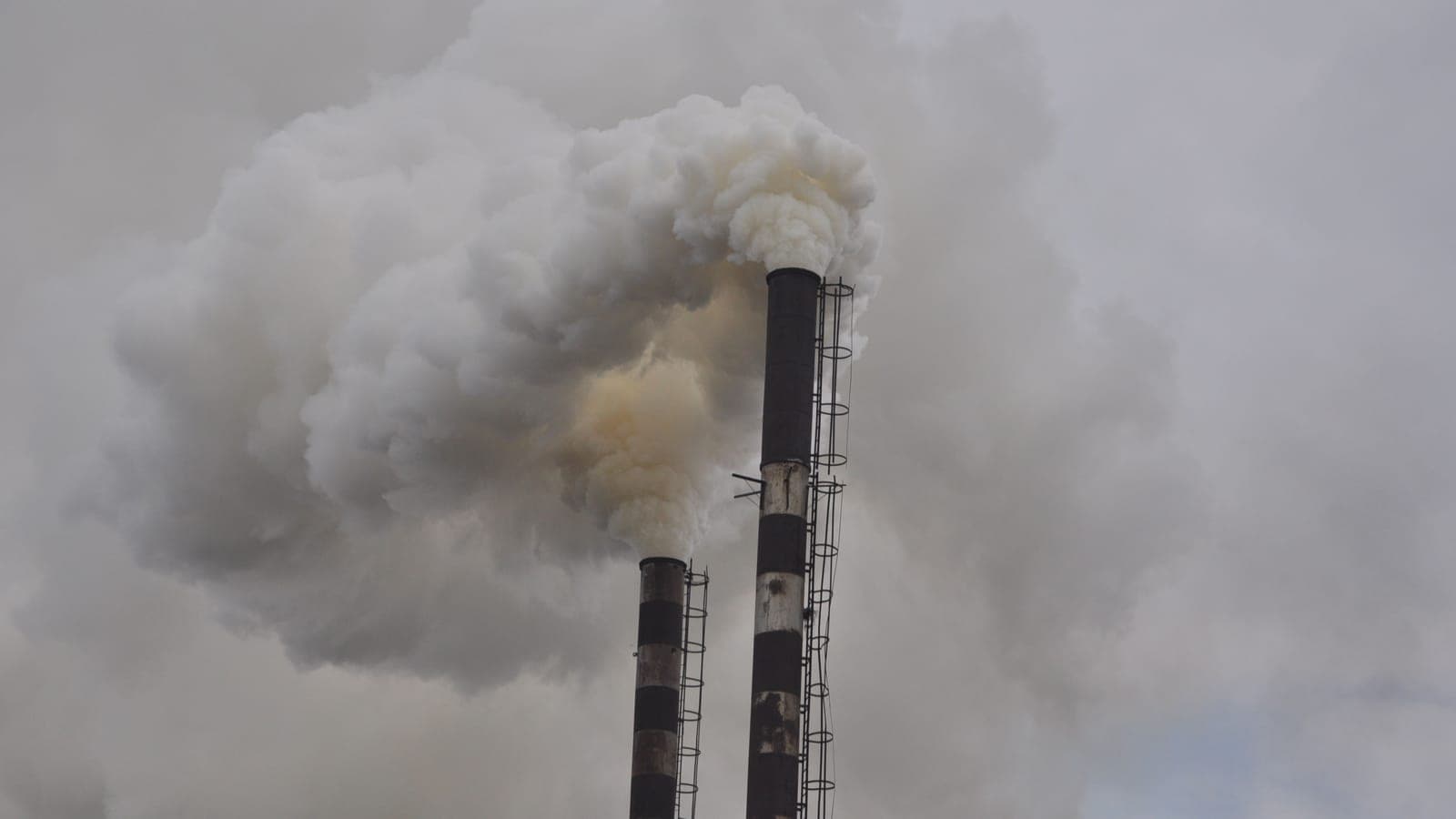
- Odor and visible haze. Beyond the regulated pollutants, neighbors frequently report a distinct diesel smell and visible plumes during testing.
Learn more about how these emissions affect nearby property and people on our air harm overview.
How TCEQ Regulates Data Center Emissions
In Texas, air emissions are overseen by the Texas Commission on Environmental Quality (TCEQ). Generators and other emission sources generally need some form of air authorization before they operate.
A few concepts worth understanding:
Air permits and standard authorizations
Depending on size and emissions, a facility may operate under a standard permit, a permit by rule, or a more detailed case-by-case air permit. These set limits on how much a site can emit and, in many cases, how many hours engines can run.
Permit limits are not the same as zero impact
A permit reflects what regulators have allowed, not a promise that neighbors will notice nothing. A facility can stay within its paperwork limits and still produce odors, haze, and noise that affect daily life.
Public participation
Major air permits in Texas often include a public notice and comment process. That can be an avenue for residents to raise concerns before or during the permitting of a nearby facility.
For a real-world look at how this plays out, see our deep dive on Midlothian's diesel generator concerns.
Health and Quality-of-Life Concerns for Neighbors
People living near heavy diesel operations commonly report:
- Worsening asthma or breathing trouble, especially in children and older adults
- Headaches, eye and throat irritation during testing periods
- A persistent diesel odor that makes outdoor time unpleasant
- Soot or fine dust settling on cars, windows, and outdoor surfaces
- Sleep disruption when generator testing overlaps with noise
These effects may vary with wind, weather, how close you live, and how often the engines run. Sensitive individuals could feel impacts that others do not.
What Residents Can Document
If you suspect a nearby data center is affecting your air, careful records can be valuable. Possible things to track include:
- Dates and times you notice odor, haze, or soot, with as much detail as you can
- Photos and video of visible plumes or settled residue
- Weather and wind direction at the time, which can help connect what you observe to a source
- Health notes, such as symptoms that flare up during testing periods
- Any official records you can access, including permit numbers or public notices for the facility
You can also report air-quality complaints to TCEQ, which keeps records of citizen complaints. Keeping your own organized timeline alongside any official reports could strengthen your understanding of the pattern over time.
To learn more about the options that may be available to affected landowners, visit our Your Rights page.
A Note on What This Means
Air pollution from data centers is an evolving issue in Texas as more facilities are built. No two sites are identical, and impacts depend heavily on local conditions. What is clear is that documentation, awareness, and participation in the permitting process are tools residents may be able to use.
If diesel exhaust or air-quality changes near a Texas data center are affecting your home, you may have questions about your options. We offer a free, confidential review to help you understand what you are dealing with and what possible avenues might exist. Reaching out costs nothing and carries no obligation.