When a data center proposes to build or expand in your community, one of the most critical regulatory hurdles it must clear is obtaining an air permit from the Texas Commission on Environmental Quality (TCEQ). These permits are designed to limit air pollution, but the permit application process is complex, and it’s up to affected landowners to scrutinize proposals and raise concerns. Understanding how to navigate the TCEQ air permit protest process is vital for protecting your property and the air quality in your community.
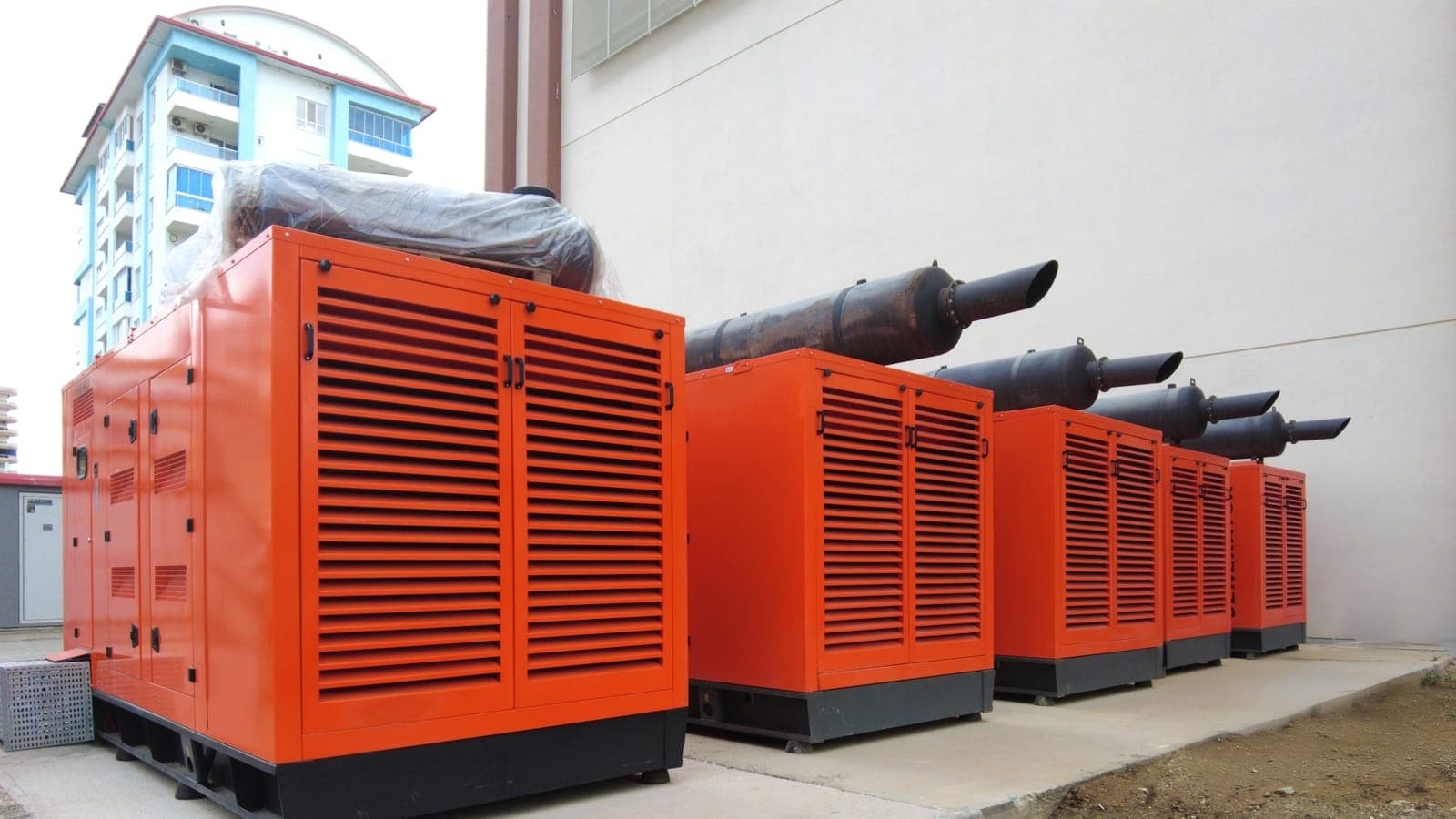
Data centers often rely on powerful diesel generators for backup power, which can emit significant air pollutants when operational. While usually intended for emergency use, these generators may also run for regular testing and maintenance. Protesting an air permit allows you to voice concerns about potential emissions, their impact on local air quality, health, and property, and ensure that the proposed facility adheres to environmental standards. This article will guide you through the general steps to protest a data center's air permit application with the TCEQ.
Please note: This information is for general educational purposes and should not be considered legal advice for your specific situation. We strongly recommend consulting with an attorney experienced in environmental law if you intend to protest an air permit application.
Understanding Data Center Air Permits
In Texas, most industrial facilities that emit air contaminants are required to obtain an air permit from the TCEQ before they can operate. Data centers, while primarily known for their digital operations, are no exception, largely due to the large diesel generators they keep on site. These generators, crucial for maintaining continuous operation during power outages, are a primary source of air emissions from data centers. When these generators run, even for testing, they release pollutants such as nitrogen oxides (NOx), particulate matter (PM), carbon monoxide (CO), and volatile organic compounds (VOCs).
An air permit sets limits on the type and quantity of air contaminants a facility can release into the atmosphere. The permit application process involves the company submitting detailed plans for its emissions sources, control technologies, and predicted pollutant levels. The TCEQ then reviews these plans to ensure compliance with state and federal air quality regulations. For landowners, understanding what is in a data center's air permit application is the first step in identifying potential harms and preparing an effective protest. For more information on common air pollutants, see our guide on /damage/air and /articles/data-center-air-pollution-texas-guide.
Key Steps in the TCEQ Air Permit Process
The TCEQ air permit process follows a structured path, and knowing these stages can help landowners identify crucial intervention points:
- Application Submittal: The data center company submits its completed air permit application to the TCEQ. This application includes engineering designs, emission calculations, and plans for how the facility will comply with air quality standards.
- Administrative Review: TCEQ staff review the application for completeness and ensure all required information is present.
- Technical Review: TCEQ technical staff evaluate the application's details, including emission estimates, control technologies, and potential impacts, to determine if it meets state and federal air quality rules.
- Public Notice: Once the application is deemed technically complete and passes an initial review, the TCEQ requires the applicant to publish a "Notice of Application and Preliminary Decision" in a newspaper circulated in the county where the facility is proposed. This notice informs the public about the application, the TCEQ's preliminary decision, and the opportunities for public comment and requesting a public meeting or contested case hearing. This is a critical window for landowners to engage.
- Public Comment Period: Following the public notice, there is a designated period (often 30 days, but check the specific notice) during which interested parties can submit written comments to the TCEQ about the application.
- Public Meeting (Optional): If enough interest is shown, a public meeting may be held by the TCEQ. This allows individuals to ask questions and provide verbal comments to TCEQ staff and the applicant. A public meeting is informational and does not replace the formal public comment process or the right to request a contested case hearing.
- Response to Comments: The TCEQ and the applicant are required to prepare a "Response to Comments" document addressing all significant public comments received.
- Contested Case Hearing Request Period: Concurrent with the public comment period, there is also a specific deadline for individuals to request a contested case hearing. This is a more formal legal proceeding, similar to a trial, and is generally required to formally protest a permit and potentially stop its issuance.
How to File a Protest with TCEQ
To effectively protest a data center's air permit, you need to understand the formal avenues for doing so within the TCEQ framework. The most impactful way to protest is by requesting a contested case hearing.
- Identify the Public Notice: Look for the "Notice of Application and Preliminary Decision" in local newspapers or check the TCEQ's online permit database. This notice contains crucial information, including the application number, applicant name, facility location, and deadlines for submitting comments and requesting a contested case hearing.
- Determine Your Standing as an "Affected Person": To request a contested case hearing, you must demonstrate that you are an "affected person." Generally, this means you have a personal, unique interest in the application that is different from the general public. Proximity to the proposed data center, potential health impacts from emissions, or direct property value concerns are common bases for affected person status. Clearly explain how the proposed data center's air emissions will specifically impact you or your property.
- Submit a Timely and Specific Request: Your request for a contested case hearing must be submitted in writing to the TCEQ by the deadline stated in the public notice. The request should include:
- Your name, mailing address, and daytime phone number.
- The application number (found in the public notice).
- A clear statement requesting a contested case hearing.
- A detailed explanation of how you would be an "affected person" and why you believe the permit should not be issued or should be modified. Be specific about your concerns related to air quality, health, property, or other impacts from the facility's air emissions. For example, "The proposed data center's diesel generators, located 0.5 miles from my home, will increase particulate matter pollution, exacerbating my child's asthma," or "Increased NOx emissions from daily generator testing will negatively impact air quality on my farm, potentially affecting crop health."
- Any other relevant information or data supporting your concerns.
- Send Your Request: Mail or hand-deliver your written request to the TCEQ's Office of the Chief Clerk at the address provided in the public notice. Keep a copy for your records. The mailing address is typically: Office of the Chief Clerk, MC 105, TCEQ, P.O. Box 13087, Austin, Texas 78711-3087.
Remember, a request for a public meeting or submitting general public comments, while valuable for raising awareness, does not automatically initiate a contested case hearing. You must explicitly request a contested case hearing by the deadline if you wish to pursue this more formal protest route.
Preparing for a Contested Case Hearing
If the TCEQ grants your request for a contested case hearing, it transitions the process from an administrative review to a formal legal proceeding overseen by administrative law judges (ALJs) at the State Office of Administrative Hearings (SOAH). This is where your specific concerns are thoroughly examined.
- Preliminary Hearing: The ALJs will typically hold a preliminary hearing to identify affected persons, define the issues to be addressed, and set a schedule for the case. This is where your "affected person" status will be formally determined.
- Discovery: Similar to a civil lawsuit, both sides (the applicant, the TCEQ, and the affected persons) can exchange information, request documents, and take depositions from witnesses. This phase is crucial for gathering evidence to support your claims.
- Mediation (Optional): SOAH often offers mediation services to help parties reach a settlement before a full hearing.
- Hearing on the Merits: If no settlement is reached, a formal hearing is held. You will present evidence, call witnesses (experts, neighbors, etc.), and cross-examine the applicant's witnesses. The focus will be on the specific issues identified, such as whether the proposed emissions will comply with air quality standards, the effectiveness of pollution controls, or the accuracy of emission estimates.
- Proposal for Decision: After the hearing, the ALJs will issue a "Proposal for Decision" (PFD) containing their findings of fact and conclusions of law, recommending whether the permit should be issued, denied, or issued with modifications.
- Commission Review: The PFD is then sent to the TCEQ Commissioners, who make the final decision on the permit. They may adopt the PFD, modify it, or reject it.
Engaging in a contested case hearing can be complex and time-consuming. Having legal counsel experienced in environmental permitting and administrative law is highly recommended to effectively navigate this process.
Frequently Asked Questions
What are the deadlines for protesting an air permit?
Deadlines for protesting an air permit, including submitting public comments and requesting a contested case hearing, are published in the "Notice of Application and Preliminary Decision." These deadlines are strict, typically a specific number of days (e.g., 30 days) from the date of the public notice publication. It is crucial to find the notice for the specific application and mark these dates carefully.
What kind of concerns can I raise in a protest?
Your protest should focus on the potential impacts of the data center's air emissions. Valid concerns include, but are not limited to:
- Potential health impacts on you or your family from specific pollutants (e.g., asthma, respiratory issues).
- Impacts on local air quality that may violate state or federal standards.
- Nuisance issues like odor, visible plumes, or excessive noise from generator operation and testing.
- Negative effects on property value due to increased pollution.
- Concerns about the accuracy of the applicant's emission estimates or the effectiveness of proposed pollution controls.
- The applicant's compliance history with other environmental permits.
Do I need a lawyer to protest an air permit?
While you can file a public comment or request a contested case hearing on your own, having legal representation is strongly recommended, especially for a contested case hearing. An attorney experienced in environmental law can help you understand the technical aspects of the permit, gather evidence, present your case effectively, and navigate the formal legal procedures of SOAH and the TCEQ. This can significantly increase your chances of a successful outcome.
What happens after I file a protest?
If you submit a timely and valid request for a contested case hearing and are deemed an "affected person," the TCEQ Commissioners will typically refer the application to the State Office of Administrative Hearings (SOAH). At SOAH, administrative law judges will oversee a formal legal process to hear evidence and arguments from all parties involved. If your request for a contested case hearing is denied, or if no hearing is requested, the TCEQ will move forward with its final decision based on the application and public comments.
Can a data center operate without an air permit?
No, in most cases, a data center with significant air emission sources (like large diesel generators) cannot legally operate without obtaining the necessary air permits from the TCEQ. Operating without a required permit can lead to enforcement actions, fines, and orders to cease operation. There may be specific exemptions for very small or limited emergency uses, but large-scale data centers typically require permits.
Where can I find information about a specific data center's air permit application?
You can find information about specific data center air permit applications on the TCEQ's website. The TCEQ's "Permit Search" or "Pending Applications" databases are good starting points. You will often need the applicant's name, facility name, or the application number to conduct an effective search. The public notice in local newspapers will also contain this essential information.
Protecting Your Property and Community
Protesting a data center's air permit is a critical way for landowners to engage directly with the regulatory process and protect their interests. By understanding the TCEQ's procedures, acting within specified deadlines, and clearly articulating your concerns as an "affected person," you can play an essential role in ensuring that proposed data centers operate responsibly and with minimal impact on local air quality and public health. Your active participation sends a clear message that your community's environment matters. For information on protesting water permits, see our guide /articles/how-to-protest-data-center-water-permit-texas.