As Texas continues to attract a booming data center industry, rural communities often find themselves in close proximity to these large industrial facilities. While data centers are critical infrastructure for our digital world, the rapid expansion often comes with environmental impacts that directly affect nearby residents. One significant concern that often goes unaddressed until it's too late is the air pollution generated by the diesel generators used to power these operations.
It's important to understand that BigDataDamage.com is not against technological progress. Our focus is on ensuring that when technology projects like data centers are built, they do so with accountability, transparency, and fair compensation for landowners impacted by their operations. This article aims to shed light on the specific health risks associated with air pollution from data center diesel generators, outlining your rights as a Texas landowner and offering concrete steps to document harm and seek recourse.
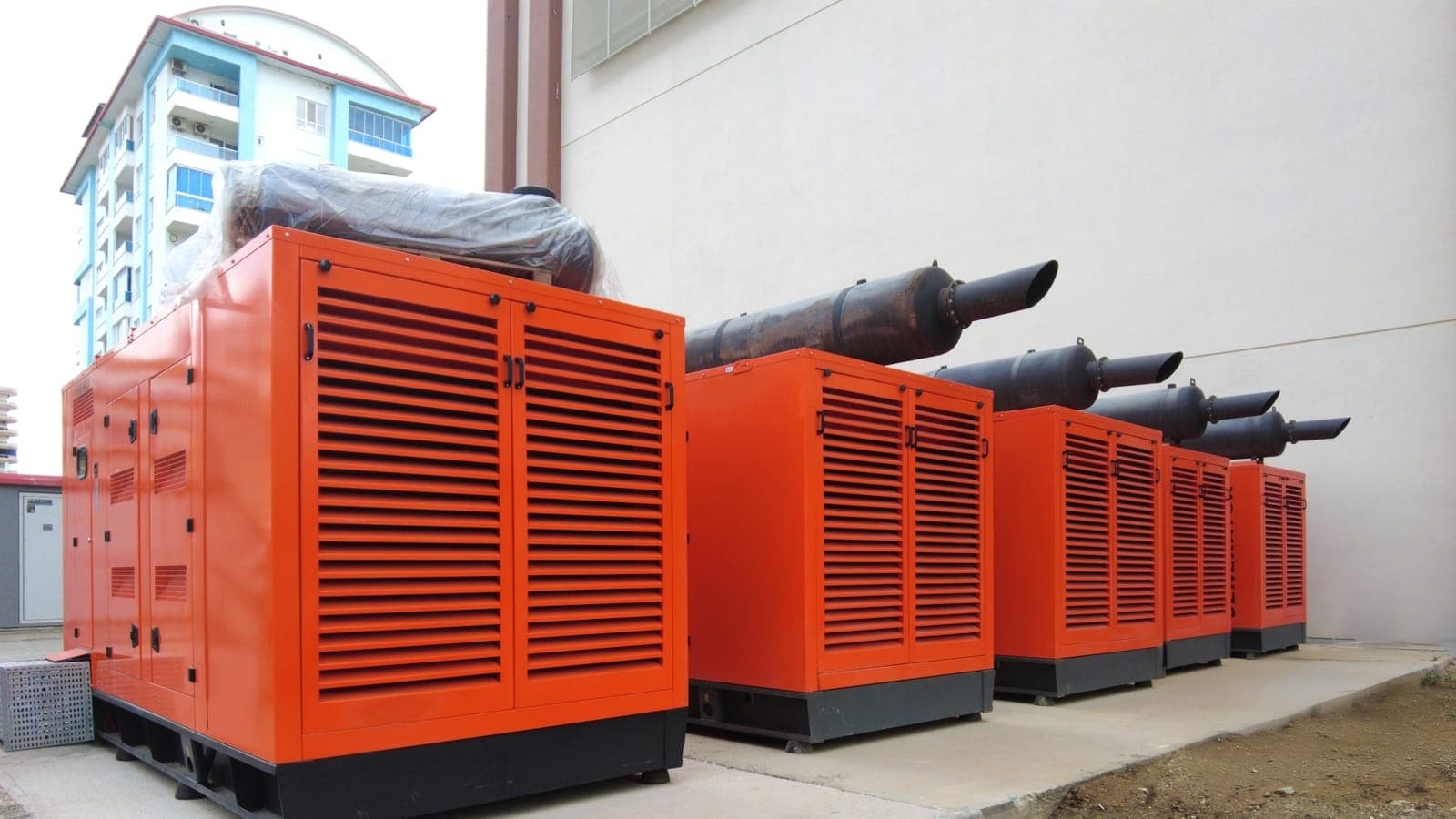
While these generators are often touted as emergency backups, their increasing use for grid stabilization or even primary power in certain situations means that the emissions they release can become a regular, unwelcome neighbor, directly impacting the health and well-being of those living nearby.
The Invisible Threat: Diesel Exhaust Emissions
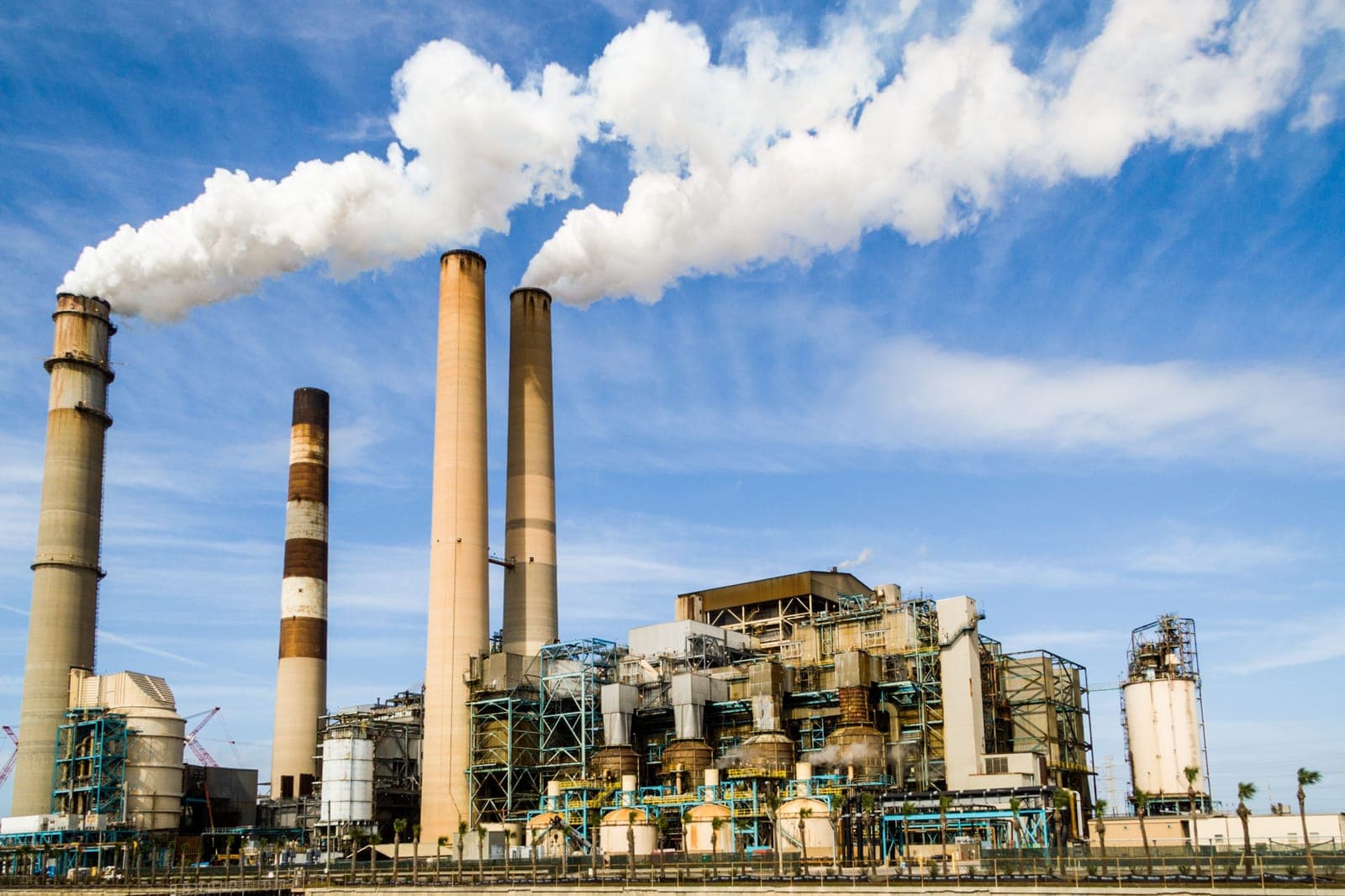
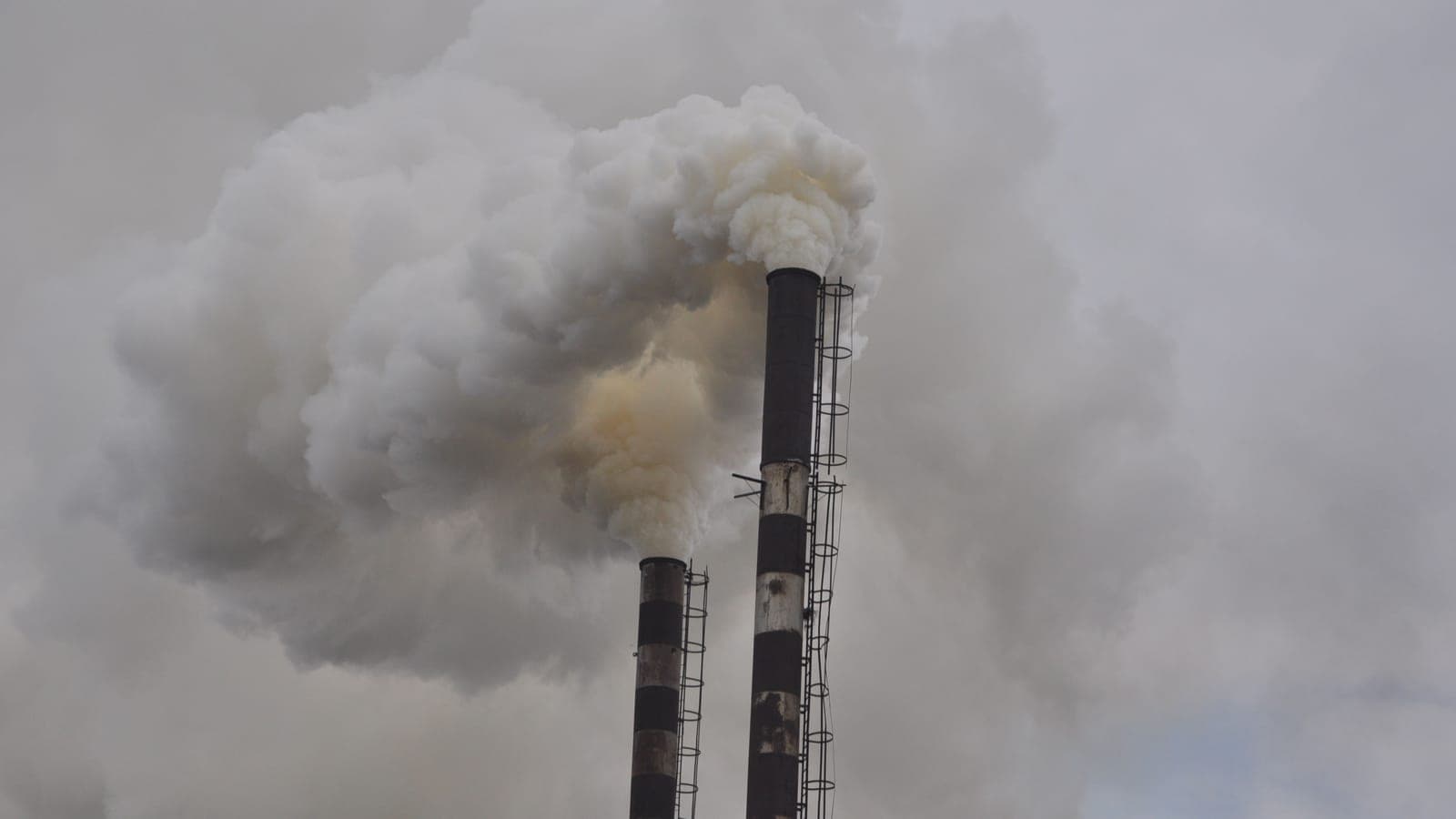
Diesel generators, while efficient power sources, produce exhaust that contains a complex mixture of gases and fine particulate matter. This exhaust is not merely an unpleasant smell; it's a cocktail of pollutants known to have significant health consequences. The primary components of concern include:
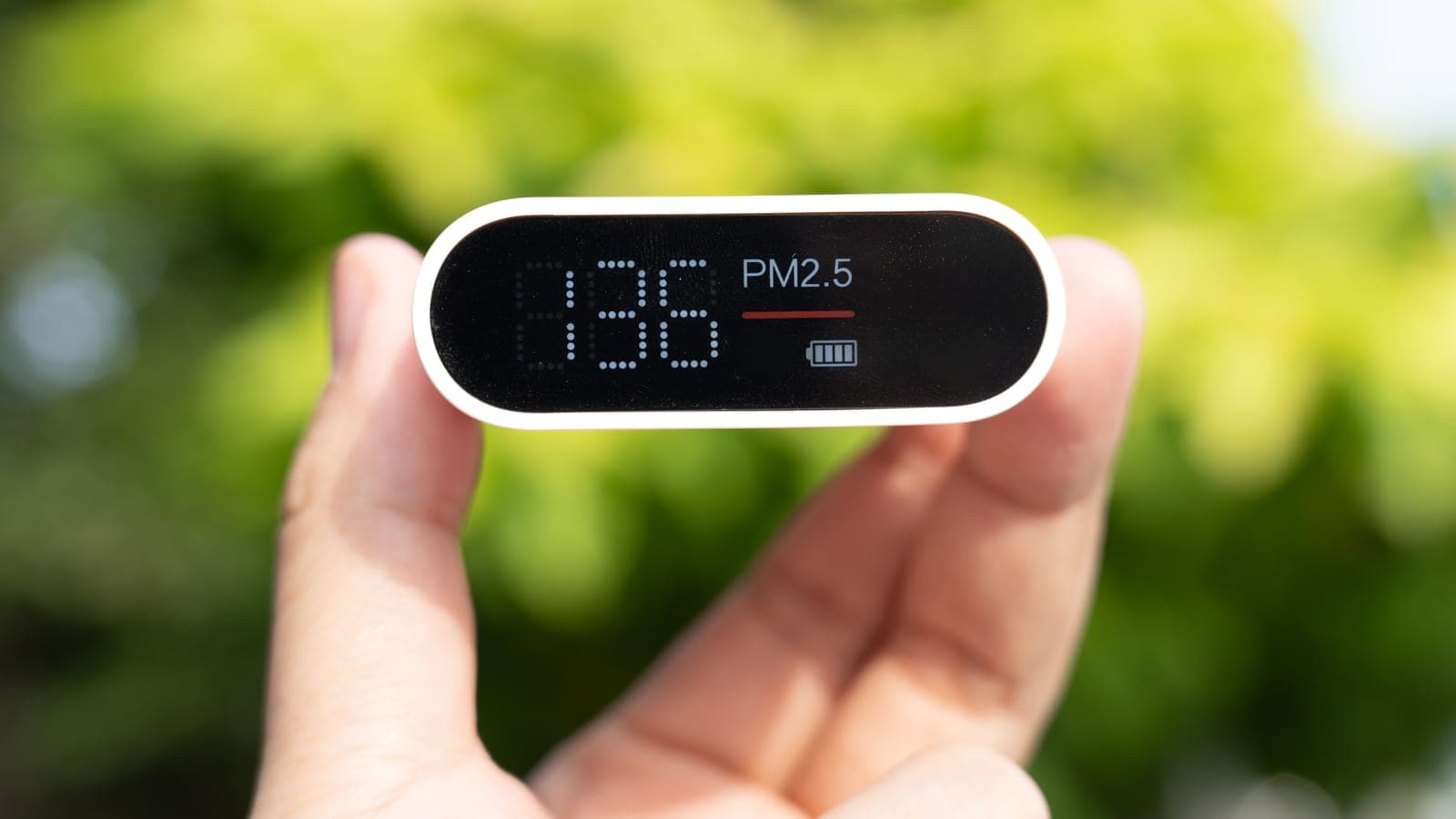
- Particulate Matter (PM2.5): These are microscopic solid or liquid droplets, 2.5 micrometers in diameter or smaller, small enough to penetrate deep into the lungs and even enter the bloodstream. They are considered one of the most dangerous components of air pollution.
- Nitrogen Oxides (NOx): These gases, particularly nitrogen dioxide (NO2), contribute to the formation of ground-level ozone (smog) and acid rain, and can directly irritate the respiratory system.
- Volatile Organic Compounds (VOCs): A diverse group of organic chemicals that can react in the atmosphere to form ozone and other harmful pollutants. Some VOCs are also known carcinogens.
- Sulfur Dioxide (SO2): A gas that can cause respiratory problems and exacerbate existing heart and lung diseases. It also contributes to acid rain.
- Carbon Monoxide (CO): A colorless, odorless gas that, at high concentrations, can be fatal by reducing oxygen delivery to the body's organs and tissues. Even at lower levels, it can cause dizziness and headaches.
These pollutants, individually and in combination, pose a serious threat to the respiratory, cardiovascular, and neurological health of those living near data centers that frequently operate diesel generators.
Direct Health Impacts on Nearby Communities
The health effects of exposure to diesel exhaust are well-documented and can range from acute (immediate) to chronic (long-term). Living close to a source of diesel emissions can lead to a variety of serious health problems:
Respiratory System Damage
Diesel exhaust, especially PM2.5, is a significant irritant and damage agent for the lungs. Exposure can lead to:
- Exacerbated Asthma and Bronchitis: For individuals with pre-existing conditions, even short-term exposure can trigger severe attacks and worsen chronic symptoms.
- Reduced Lung Function: Long-term exposure can lead to a decline in lung capacity and efficiency, making breathing more difficult.
- Increased Risk of Respiratory Infections: The pollutants can weaken the immune system in the lungs, making individuals more susceptible to infections.
- Development of Chronic Obstructive Pulmonary Disease (COPD): Prolonged exposure is a risk factor for developing this debilitating lung disease.
Cardiovascular Disease
The tiny particles in diesel exhaust don't just stay in the lungs; they can enter the bloodstream and affect the entire cardiovascular system. This can contribute to:
- Heart Attacks and Strokes: Exposure is linked to an increased risk of acute cardiovascular events.
- High Blood Pressure: Long-term exposure can contribute to the development or worsening of hypertension.
- Atherosclerosis: The hardening and narrowing of arteries, which can lead to heart disease.
Neurological Effects
Emerging research suggests a link between air pollution exposure and neurological impacts, including:
- Cognitive Decline: Studies indicate that long-term exposure to fine particulate matter may accelerate age-related cognitive decline and increase the risk of dementia.
- Developmental Issues in Children: Exposure during critical developmental windows can impact brain development and function.
Increased Cancer Risk
The International Agency for Research on Cancer (IARC) has classified diesel engine exhaust as a Group 1 carcinogen, meaning it is known to cause cancer in humans. Exposure is particularly linked to an increased risk of lung cancer. Other potential links include bladder cancer and other solid tumors.
Vulnerable Populations
Children, the elderly, and individuals with pre-existing heart or lung conditions are particularly vulnerable to the health effects of diesel exhaust. Their developing or compromised systems are less able to cope with the stress of air pollution, making them disproportionately affected.
When Data Centers Rely on Diesel
Originally conceived as backup power for short-term outages, diesel generators at data centers are sometimes used for purposes beyond emergencies. In some cases, data centers may use them for "peak shaving" to reduce electricity costs during high-demand periods, or even to provide continuous power when grid infrastructure is insufficient or costly. Some data centers are also experimenting with using their generators to sell power back to the grid for profit.
The more frequently and for longer durations these generators operate, the greater the volume of pollutants released into the local air shed. What was intended as an infrequent safety measure can become a regular source of industrial pollution, transforming the surrounding environment and presenting a consistent health threat to neighbors. You can learn more about how data centers are using these generators in Texas in our article, "Diesel Generators and Neighborhood Air: The Midlothian Question."
Your Rights as a Texas Landowner
As a Texas landowner, you have fundamental rights regarding the enjoyment of your property and the quality of your surrounding environment. The Texas Constitution and common law afford protections against pollution that interferes with these rights.
- Right to a Healthy Environment: While not explicitly codified as a stand-alone right, Texas law generally supports the idea that property owners should not be subjected to unreasonable health risks from neighboring activities.
- Nuisance Law: If the air pollution from a data center's diesel generators substantially and unreasonably interferes with your use and enjoyment of your property, you may have grounds for a private nuisance claim. This could include harm to health, offensive odors, or significant degradation of air quality.
- Regulatory Oversight: The Texas Commission on Environmental Quality (TCEQ) is the primary state agency responsible for protecting Texas's air quality. Data centers operating diesel generators are subject to permitting requirements and emission limits. If you suspect a data center is violating these limits or causing excessive pollution, you have the right to file a complaint with the TCEQ. More information on addressing air pollution concerns can be found in our guide, "Data Center Air Pollution in Texas: A Landowner's Guide."
Frequently Asked Questions
Q1: How can I tell if a data center is using its diesel generators frequently?
A: You may notice loud, distinct engine noises, especially during non-emergency periods, or detect the smell of diesel exhaust. Observing exhaust plumes and noting the dates and times can also be helpful. Some communities have invested in air quality monitors to gather objective data.
Q2: What is "particulate matter" and why is it harmful?
A: Particulate matter (PM) refers to tiny solid particles or liquid droplets suspended in the air. PM2.5, in particular, is harmful because its small size allows it to penetrate deep into the lungs and enter the bloodstream, leading to respiratory and cardiovascular problems, and potentially other systemic health effects.
Q3: Can these emissions impact my property value?
A: Yes, persistent air pollution, offensive odors, and perceived health risks from industrial neighbors can negatively affect property values. Potential buyers may be deterred, or demand lower prices, if they perceive the area as undesirable due to environmental concerns. Proving this impact requires professional appraisals and expert testimony. You can read more about this in our guide, "Proving a Data Center Lowered Your Property Value."
Q4: What legal avenues exist for addressing air pollution from data centers?
A: Landowners may pursue legal action under Texas nuisance law if pollution substantially interferes with their property rights. Additionally, complaints can be filed with the TCEQ, which has the authority to investigate and enforce environmental regulations. Consulting an attorney experienced in environmental or property law is crucial.
Q5: Is there a safe distance to be from a diesel generator?
A: There's no universally "safe" distance, as the impact depends on generator size, duration of operation, topography, and wind patterns. However, health risks generally decrease with increasing distance from the source. Regulatory agencies often set setback requirements, but these may not fully mitigate health concerns.
Q6: What should I do if I suspect my health issues are related to a nearby data center?
A: Start by documenting your symptoms, their onset, and their correlation with observed generator operation. Consult with your healthcare provider and inform them of your concerns about environmental exposures. You should also consider documenting the pollution itself through observation, photos, videos, and potentially independent air quality monitoring.
Documenting Harm and Knowing Your Rights
If you live near a data center and are concerned about the air quality and potential health impacts from diesel generator emissions, the most critical first step is documentation. Keep a detailed log of generator operation, including dates, times, duration, and any noticeable smells or visible emissions. Note any personal health symptoms you experience during these periods. Gather information on the data center's permitting and operational history from the TCEQ.
Knowing your rights empowers you to take action. This isn't about halting progress, but ensuring that progress is responsible and that industries are held accountable for the impacts they have on the communities in which they operate. For more detailed guidance, explore our resource on "Data Center Air Pollution in Texas: A Landowner's Guide." If you believe your health or property is being harmed, consult with an attorney to understand your specific legal options.