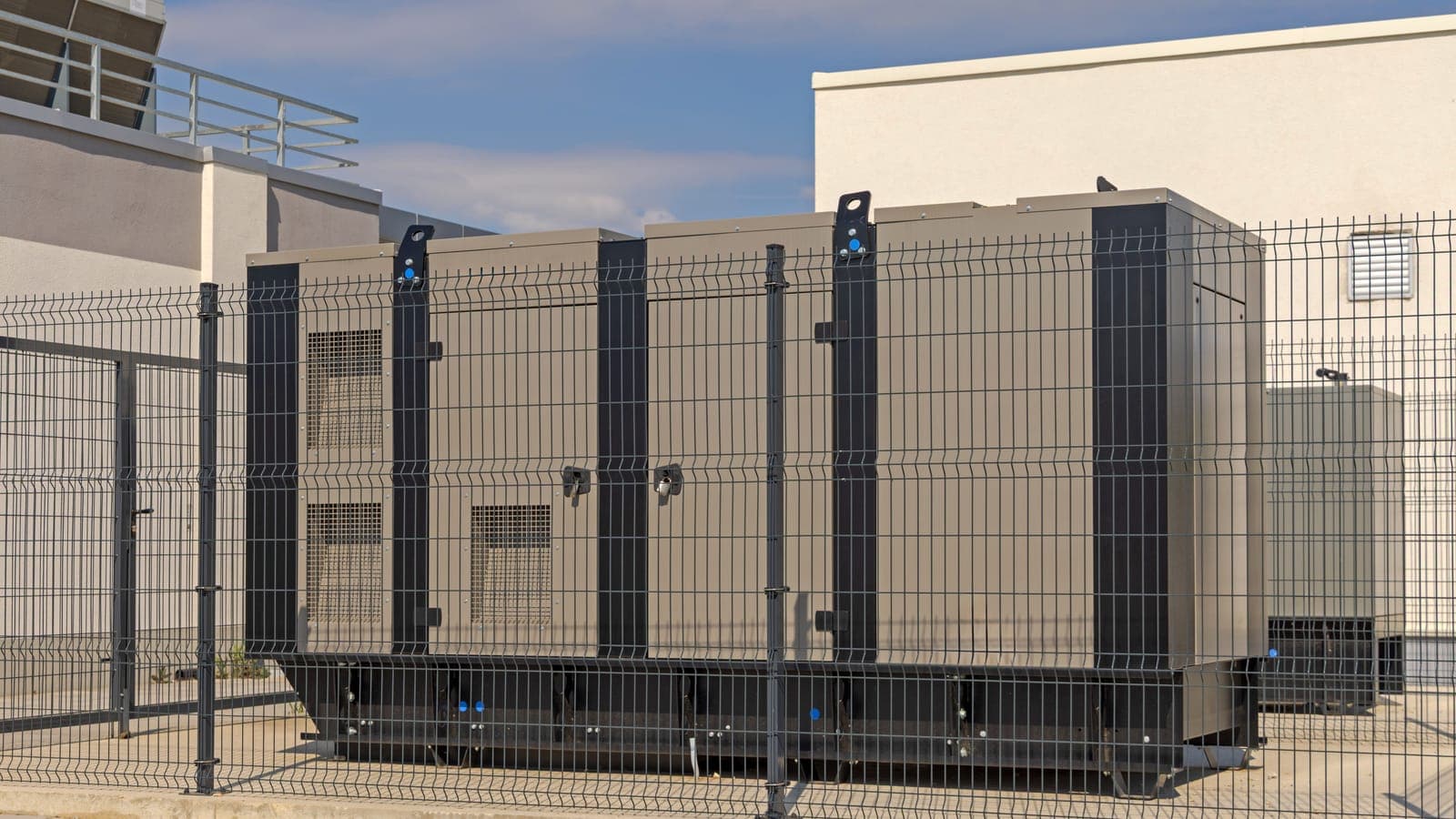
It starts as a faint hum. Then you notice it at night, with the windows open. Within weeks, the low, droning sound from a nearby data center or crypto-mining facility is the first thing you hear in the morning and the last thing you hear before bed. It never stops — and you start to wonder whether the law sees what you live with every day.
This guide explains, in plain English, how Texas common law treats that kind of noise. It is informational only and not legal advice, but it can help you understand the concepts and the records that may matter.
Why data center noise is different
Most noise rules were written with familiar sounds in mind: traffic, a barking dog, a weekend mower. Industrial cooling noise is a different animal.
- It runs 24/7. The servers never sleep, so the fans never stop. There is no quiet evening, no quiet weekend.
- It is low-frequency. Deep, droning sound travels farther than higher pitches and passes through walls and windows more easily — so closing up the house often does not help.
- It is constant, not occasional. Courts and neighbors alike treat a relentless, around-the- clock disturbance very differently from a one-time or short-lived noise.
That combination — constant, low-pitched, and inescapable — is what sets these facilities apart from ordinary neighborhood sound. You can read more about a real-world example in our coverage of the Granbury data center noise dispute.
How Texas common law treats it
Texas law has long recognized that owning land includes the right to actually use and enjoy it.
The right to "quiet enjoyment"
Quiet enjoyment is the idea that a landowner should be able to live on their property without being driven out by a neighbor's activity. When an outside use makes the normal enjoyment of your home or land genuinely difficult, that right may be at stake.
Private nuisance
A private nuisance generally arises when someone's use of their property substantially and unreasonably interferes with another person's use and enjoyment of their own land. Constant industrial noise that disrupts sleep, conversation, and the everyday use of rooms or outdoor space is the kind of interference Texas courts evaluate under this framework.
Two words do a lot of work here:
- Substantial — the interference is real and significant, not trivial or occasional.
- Unreasonable — given the character of the area and the nature of the activity, the burden on neighbors goes beyond what they should have to tolerate.
Whether a particular situation rises to that level is fact-specific, which is exactly why careful documentation matters.
Public nuisance, briefly
When a noise problem affects a whole community rather than a single landowner, it may instead touch on public nuisance concepts, which are typically addressed by government authorities. Many landowners are most directly concerned with the private side — the harm to their own home.
The link to property value
Noise is not only about comfort. There is often a financial dimension too.
If chronic noise makes nearby homes harder to sell — or sellable only at a discount — that lost value is known as diminution of value. It is a concrete economic injury, separate from the day-to-day annoyance, and it could matter in evaluating the overall harm to your property.
What a landowner should document
If you are living with this, the most useful thing you can do early is keep good records. Helpful items often include:
- A dated noise log — when the sound is worst (especially overnight) and how long it lasts.
- Audio or video clips that capture the sound, with the date and time noted.
- A record of specific impacts — lost sleep, rooms or outdoor areas you can no longer use, health effects you have noticed.
- Any communications with the facility, the operator, or local officials.
- Notes on property-value concerns, such as a stalled sale or comments from a realtor.
None of this guarantees any particular outcome, but it builds a clear, contemporaneous picture of what is actually happening on your land. For a broader overview, see our property harm hub and our guide to your rights.
Frequently Asked Questions
Can I sue a data center for noise in Texas?
Possibly. Texas recognizes private nuisance claims when a facility's noise substantially and unreasonably interferes with the use and enjoyment of your property. Whether constant data center noise rises to that level is fact-specific, which is why documentation matters.
Is constant data center noise considered a nuisance under Texas law?
It can be. Courts weigh whether the interference is substantial and unreasonable given the character of the area and the activity. Around-the-clock, low-frequency industrial noise is the kind of disturbance this framework is built to evaluate.
How loud does data center noise have to be to count?
There is no single decibel cutoff. What matters is the effect on your use of your home — lost sleep, rooms you can no longer use, conversations drowned out — not the raw volume alone.
Can data center noise lower my property value?
Yes. If chronic noise makes nearby homes harder to sell, or sellable only at a discount, that lost value — known as diminution of value — is a concrete economic injury separate from the daily annoyance.
What should I document if a data center is too loud?
Keep a dated noise log (especially overnight), timestamped audio or video clips, notes on specific impacts, any communications with the operator or officials, and any property-value concerns such as a stalled sale.
You don't have to figure this out alone
Every property and every facility is different, and whether constant noise could constitute a nuisance depends on the specific facts. If a data center or crypto mine is affecting the peace and value of your property in Texas, tell us what's happening near you. We offer a free, confidential review — no pressure, just a clearer sense of your possible options.