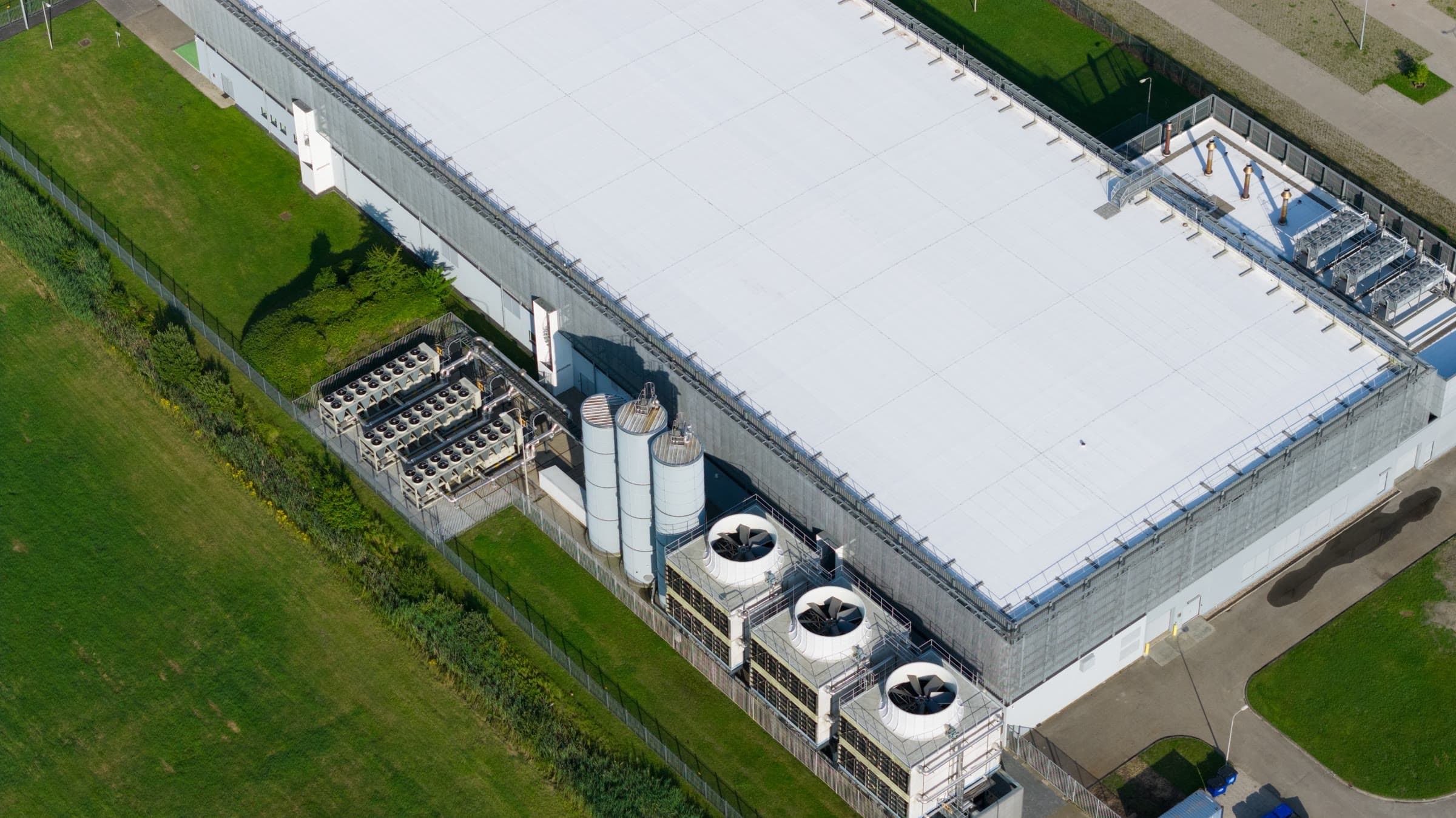
Central Texas is experiencing significant growth, and with it, a surge in data center development. Temple, situated in this dynamic corridor of Bell County, is at the forefront of this expansion, with multiple large-scale data center projects underway or planned. For many, these developments promise economic opportunity and technological advancement. However, for rural landowners, the rapid industrialization of once-quiet landscapes often brings uncompensated harms to their property.
Our organization, Big Data Damage, is committed to ensuring that progress does not come at the expense of individual landowners. We are not against artificial intelligence or new technology, but we firmly believe that those who bear the brunt of data center development (through land acquisition, diminished property value, or disruption of quiet enjoyment) must be fairly compensated. This guide aims to empower Temple and Bell County landowners by outlining potential property impacts, detailing your rights, and providing actionable steps to protect your investment.
A hyperscale data center campus by Rowan Digital Infrastructure, for instance, is underway in South Temple, encompassing over 700 acres and representing a significant investment. Another major project, Meta's Temple Data Center, is a 386-acre development. These projects, while bringing economic activity, inherently transform the surrounding land and communities.
The Property Impacts of Data Center Development
The presence of a data center can affect nearby properties in several tangible ways, extending beyond direct land acquisition. These impacts can diminish property value, restrict usage, and disturb the peaceful enjoyment of your home.
- Visual Blight and Landscape Transformation: Data centers are often massive, industrial-scale buildings that can drastically alter the aesthetic of rural or semi-rural landscapes. Their large footprint and often stark, utilitarian design can detract from scenic views and the overall character of a neighborhood, potentially lowering property appeal and market value.
- Light Pollution: These facilities operate 24/7 and require extensive exterior lighting for security and operations. This constant, bright illumination can spill onto adjacent properties, disrupting natural darkness, affecting sleep patterns, and diminishing the enjoyment of outdoor spaces at night.
- Drainage and Water Runoff Changes: Large data centers involve significant impervious surfaces (buildings, roads, parking lots). This can alter natural drainage patterns, potentially increasing stormwater runoff onto neighboring properties, leading to erosion, standing water, or even localized flooding.
- Vibrations and Structural Concerns: While not as common as other issues, heavy machinery during construction, or persistent vibrations from large HVAC systems and generators once operational, could potentially impact nearby structures over time. Documenting baseline conditions is crucial for this type of claim.
- Eminent Domain and Land Acquisition for Infrastructure: While data centers themselves are typically private entities and do not have eminent domain power, the infrastructure necessary to support them (such as new or expanded transmission lines, pipelines for water, or access roads) might involve governmental or authorized private entities that do possess eminent domain authority. If your land is sought for such related infrastructure, you have specific rights to just compensation. For the statewide framing, see our statewide eminent domain guide.
Understanding Your Landowner Rights in Texas
Texas law provides landowners with critical protections against uncompensated property harm. Knowing these rights is the first step in advocating for yourself.
- Eminent Domain and Just Compensation: The Texas Constitution guarantees that private property cannot be taken or damaged for public use without "adequate compensation." If a governmental entity or an authorized private entity (like a utility company for power lines) seeks to acquire your property for a public use, they must pay you "just compensation." This isn't just the market value of the land itself; it can also include "severance damages" for any decrease in the market value of your remaining property caused by the taking or the way the acquired portion will be used. You have the right to challenge the entity's right to condemn and the amount of compensation offered. More detail lives in our statewide eminent domain guide.
- Inverse Condemnation: This legal claim arises when a government entity's actions, or actions enabled by the government, cause substantial damage to your property or significantly diminish its value or use without initiating formal eminent domain proceedings. In such cases, the landowner initiates the lawsuit to compel the government to provide compensation for the "taking" or "damaging" of their property. Examples could include government-approved drainage changes that lead to repeated flooding on your land.
- Nuisance Law: Texas nuisance law protects landowners from conditions that substantially interfere with the use and enjoyment of their property, causing "unreasonable discomfort or annoyance to persons of ordinary sensibilities." While noise is a common nuisance, light pollution, persistent vibrations, or even severe visual impacts that significantly reduce property value and enjoyment can form the basis of a nuisance claim. If a nuisance is deemed permanent, damages can include the lost market value of the property.
For more information on the various ways property can be damaged, visit our dedicated page: /damage/property.
Documenting Harm and Protecting Your Investment
To effectively advocate for your rights and seek just compensation, thorough documentation is essential.
- Establish a Baseline Before Harm Occurs: If a data center project is proposed near your property, begin documenting the current state of your property before any construction begins. Take extensive photos and videos of your land, home, and any features that might be impacted. Consider getting a professional appraisal of your property's value before the development. This "before" snapshot is critical for proving any subsequent decline in value or direct damage.
- Maintain a Detailed Log of Impacts: As construction or operation proceeds, keep a meticulous record of any adverse impacts. Note dates, times, specific descriptions of the harm (e.g., "bright lights visible from bedroom windows from 10 PM to 6 AM," "new pooling water in back pasture after heavy rain," "cracks appearing in foundation near construction site"). Include photos and videos with timestamps if possible.
- Seek Professional Assessments: For claims involving property value loss, an independent, certified appraiser who understands the impacts of industrial development can provide crucial evidence. For issues like drainage changes or structural damage, consider consulting an engineer or hydrologist to assess the cause and extent of the problem. For guidance on assessing property value loss, see our article: /articles/proving-property-value-loss-data-center.
- Preserve Communications: Keep copies of all correspondence with the data center developer, contractors, and local government officials. Document phone calls with dates, times, and summaries of discussions. This creates a clear record of your efforts to address concerns.
- Understand Your Local Context: Bell County leaders are actively discussing data center oversight and considering moratoriums to study potential impacts, highlighting the community's concerns about unchecked growth and infrastructure demands. Stay informed about local discussions and regulatory changes that might affect your property rights.
Frequently Asked Questions About Data Centers and Property
Q: Can a data center take my land if I don't want to sell?
A: Typically, a private data center company does not have the power of eminent domain to force you to sell your land for the data center facility itself. However, government entities or private entities authorized by the state (like utility companies for power lines or pipelines) can exercise eminent domain for "public use" infrastructure projects, which might be necessary to support a data center. Even in such cases, you are entitled to just compensation. See our statewide eminent domain guide for the Texas-wide facility-vs-infrastructure framing.
Q: What is "just compensation" for my property?
A: In Texas, "just compensation" means you should be made financially whole, as if the taking never happened. It includes the fair market value of the property being taken. If only a portion of your property is acquired, it also includes "severance damages" for any decrease in the market value of your remaining property that results from the taking or the new public project.
Q: How can a data center lower my property value?
A: A data center can lower your property value through several factors, including visual blight from large industrial buildings, light pollution from continuous operations, altered drainage patterns leading to flooding or erosion, increased traffic, and the general industrialization of a previously rural or quiet area. These impacts can make your property less desirable and thus less valuable on the open market.
Q: Should I get an independent appraisal before selling?
A: Yes, absolutely. If a developer or condemning entity approaches you, their initial offer may not reflect the full "just compensation" you are entitled to. An independent, qualified appraiser familiar with Texas property markets and condemnation valuation can provide an unbiased assessment of your property's fair market value and any potential damages to your remaining land.
Q: Who do I contact in Temple/Bell County if I have concerns?
A: You can start by contacting your local Bell County Commissioners' Court and the Temple City Council, especially your district representatives. These bodies are actively engaged in discussions about data center development. You should also communicate directly with the data center developer in writing, documenting your concerns. For legal guidance, consult with a Texas attorney specializing in property rights or eminent domain.
Know Your Rights, Protect Your Property
The growth of the data center industry in Temple and across Central Texas presents both opportunities and challenges. As a landowner, you have fundamental rights designed to protect your property and ensure you receive fair treatment and just compensation when developments impact your land. Don't wait for problems to escalate. By proactively documenting potential harms, understanding your legal rights, and seeking expert advice, you can safeguard your property and contribute to responsible development in Bell County.
For the broader map of groundwater, nuisance, and property-value protections, see your rights as a Texas landowner. For a free, confidential look at your situation, contact us. For taking, easements, and just compensation statewide, see the statewide eminent domain guide.